Jimmy’s Old Town Tavern
Social Revival
Location
Herndon, Virginia
Sector / Use
Hospitality
Project Type
Assembly
Restaurant
Music Venue
Beer Garden
Scope
Alteration
Addition
Renovation
Date
2018
Construction Cost
$2.9M
Project Narrative
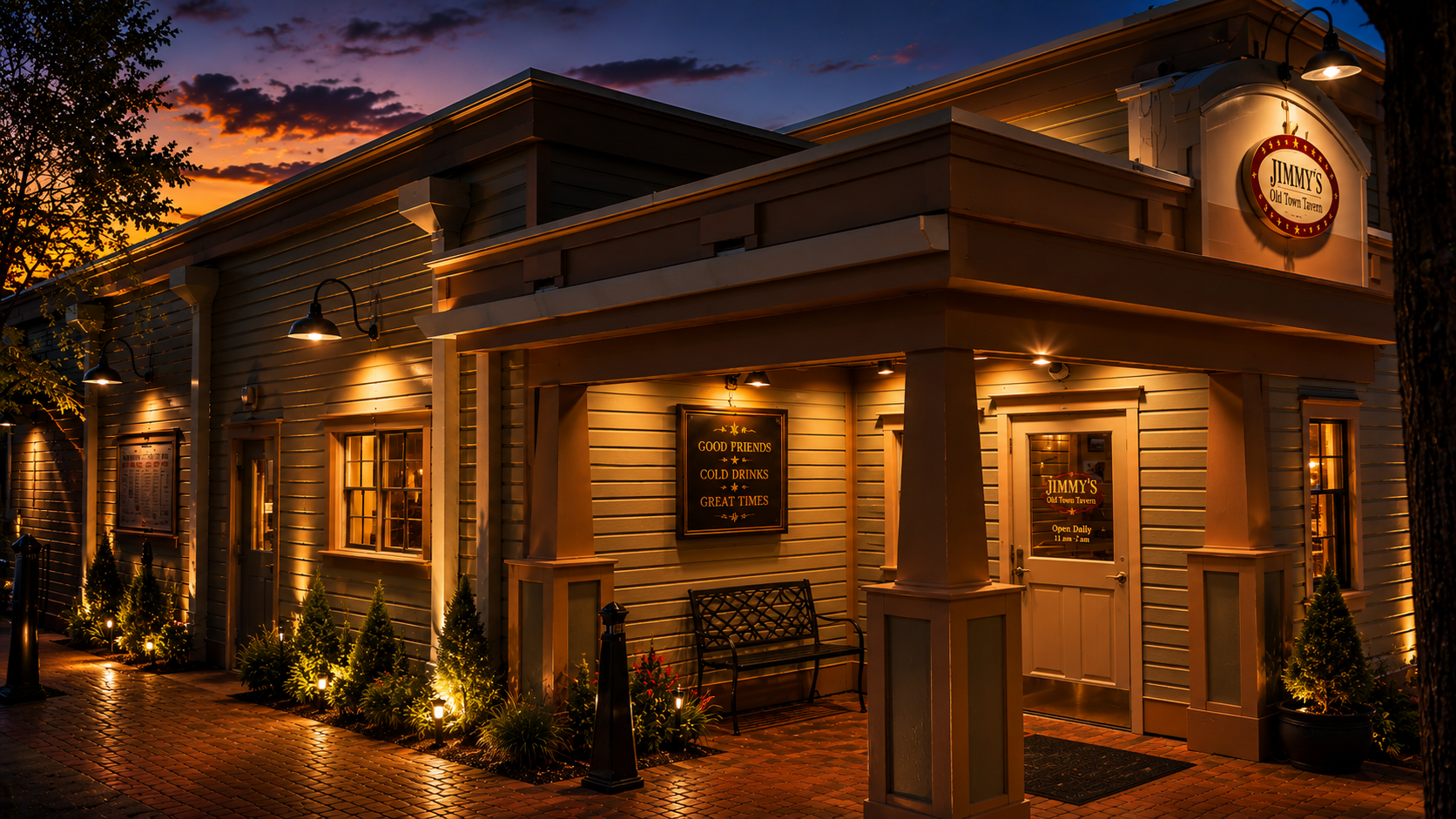
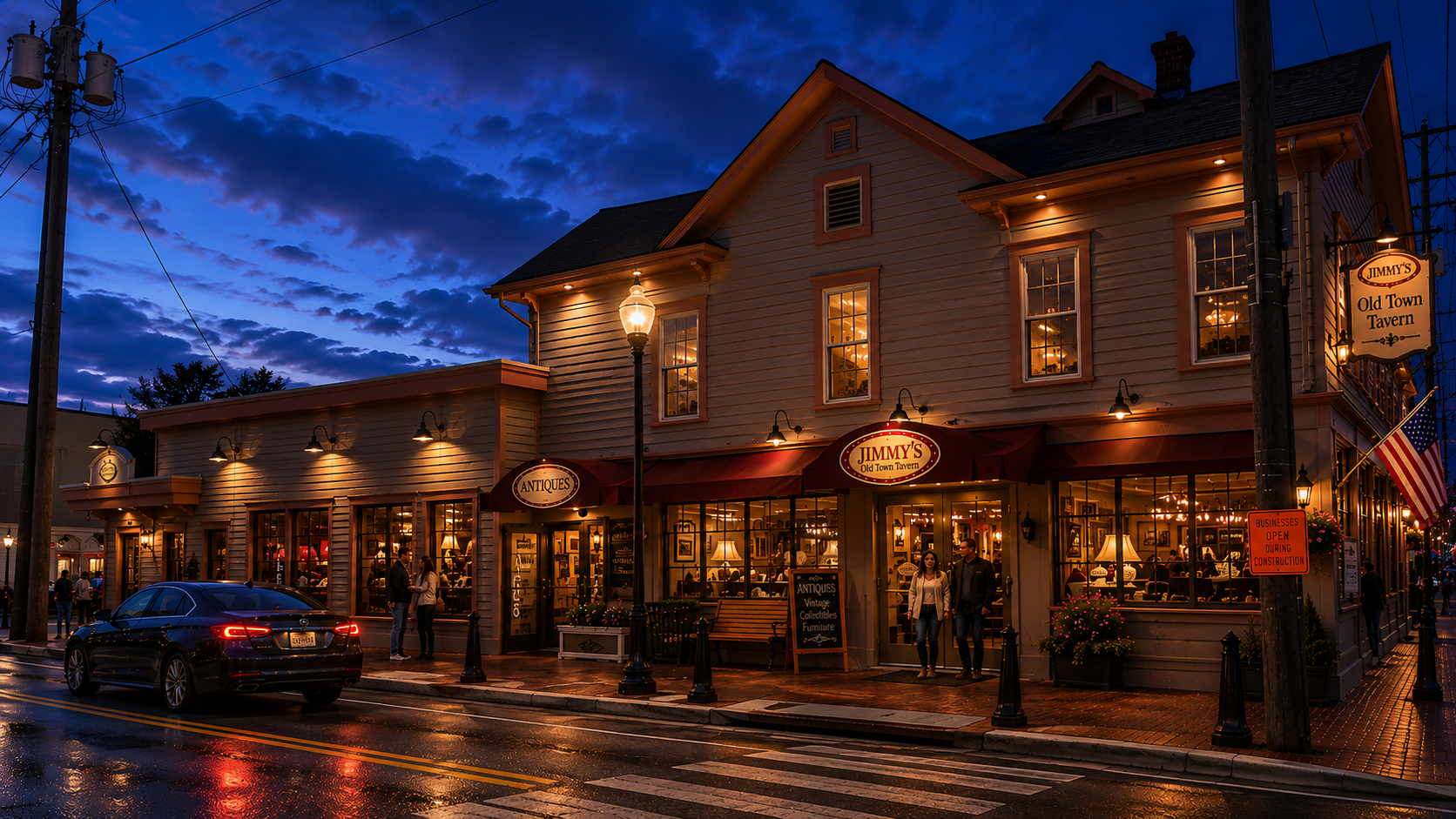
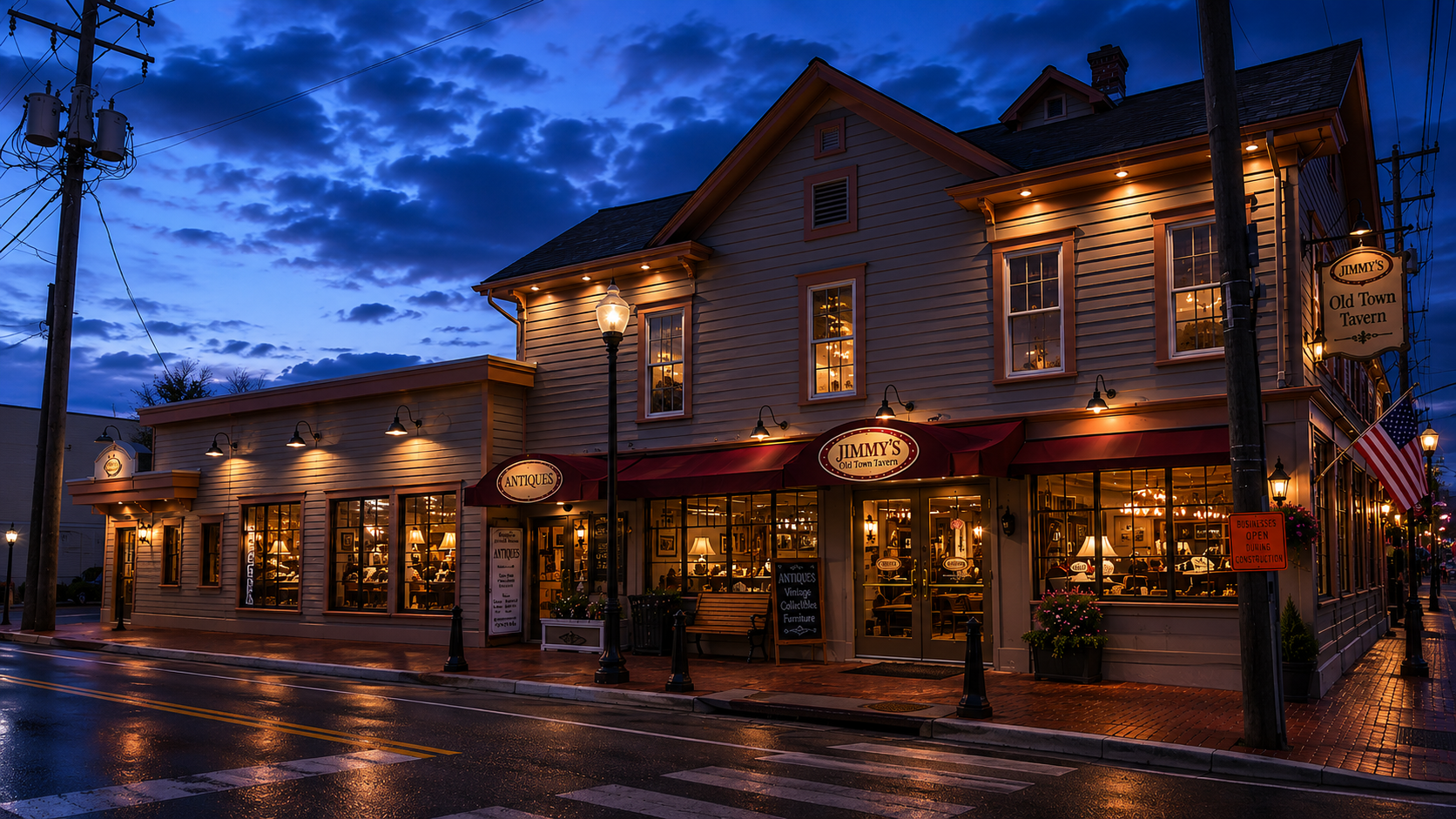
This project centers on the revitalization and transformation of a historic two-story structure originally constructed in 1917—repositioning the building as a vibrant, modern destination while preserving its architectural character and legacy.
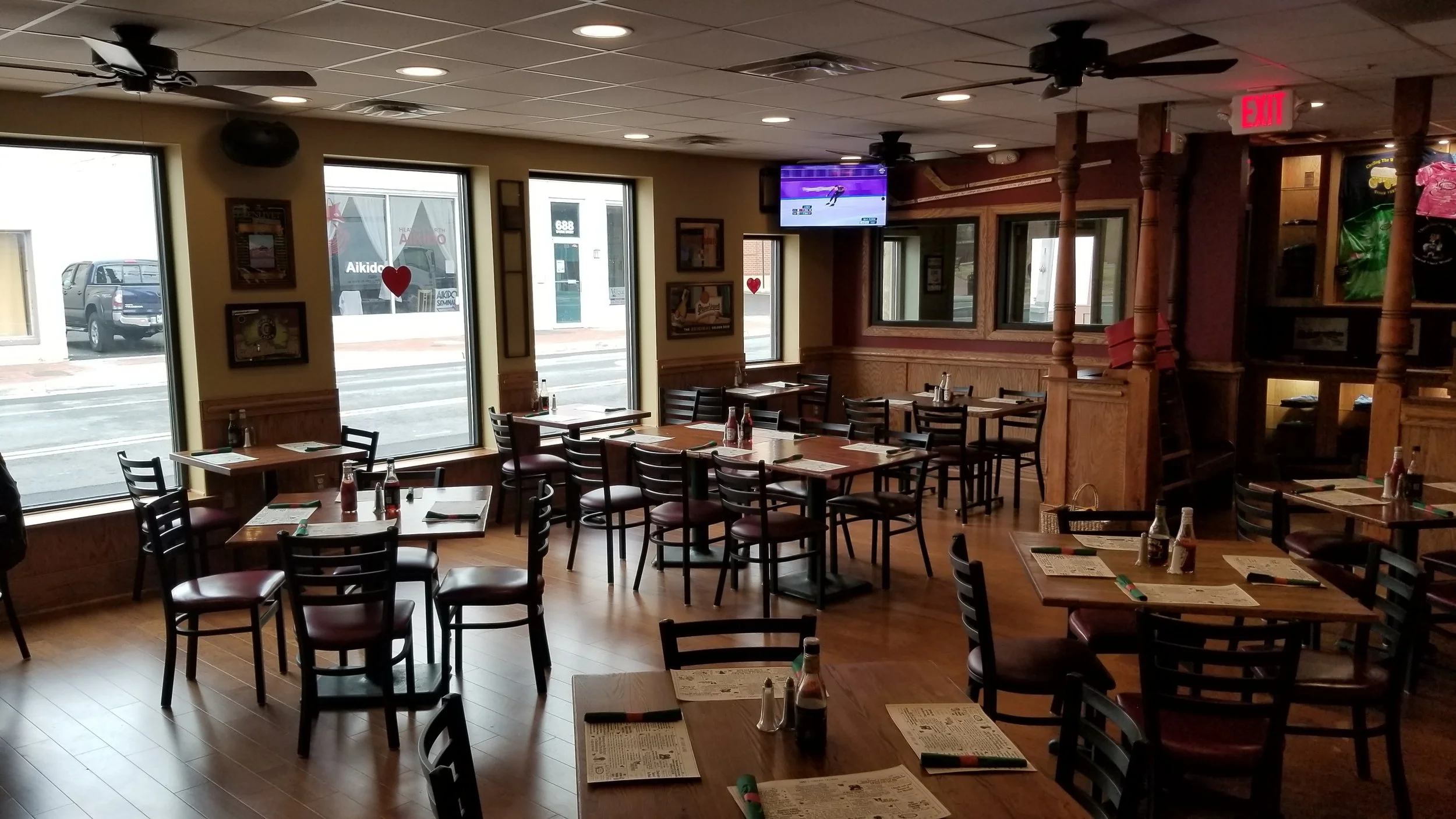
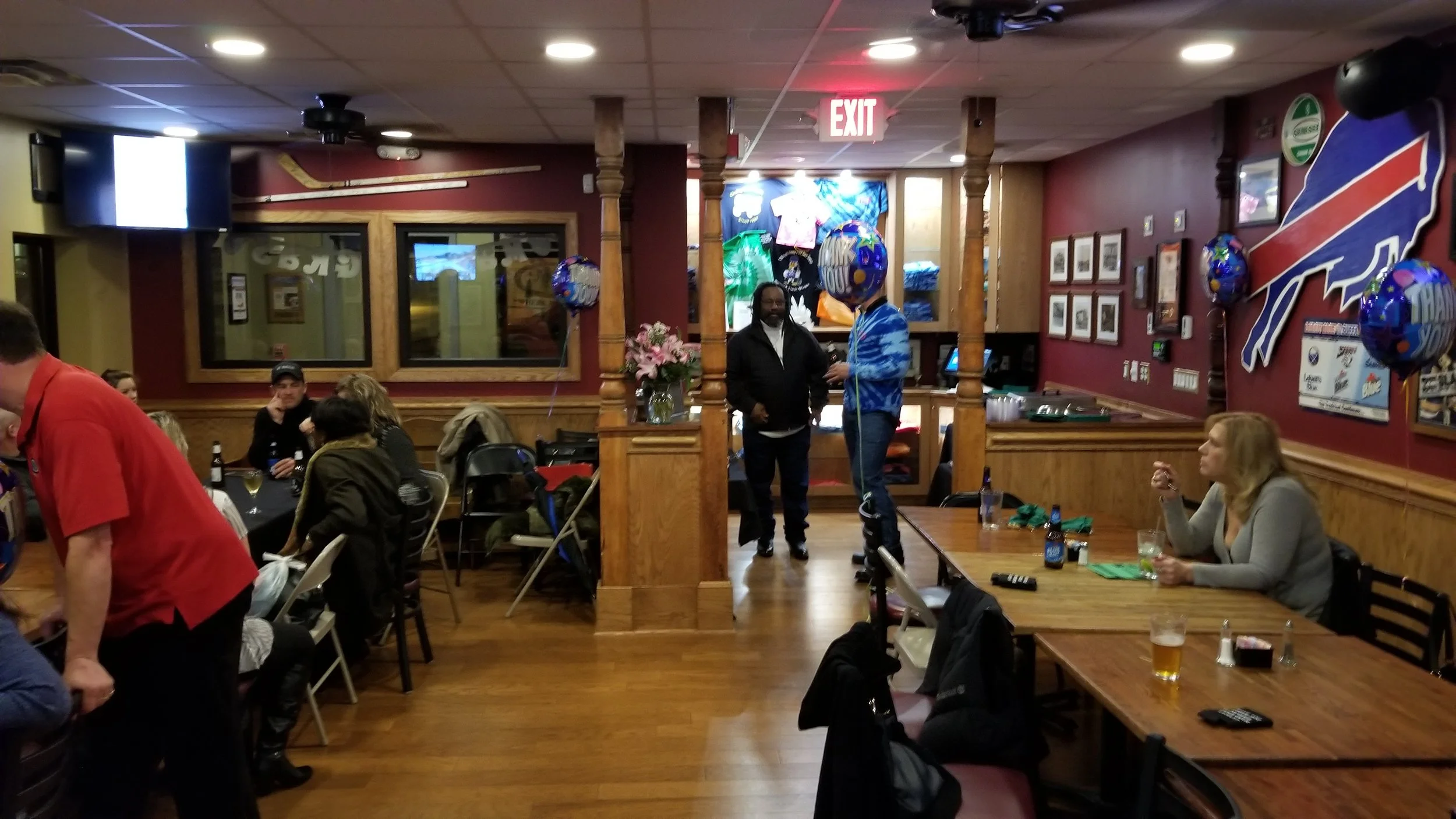
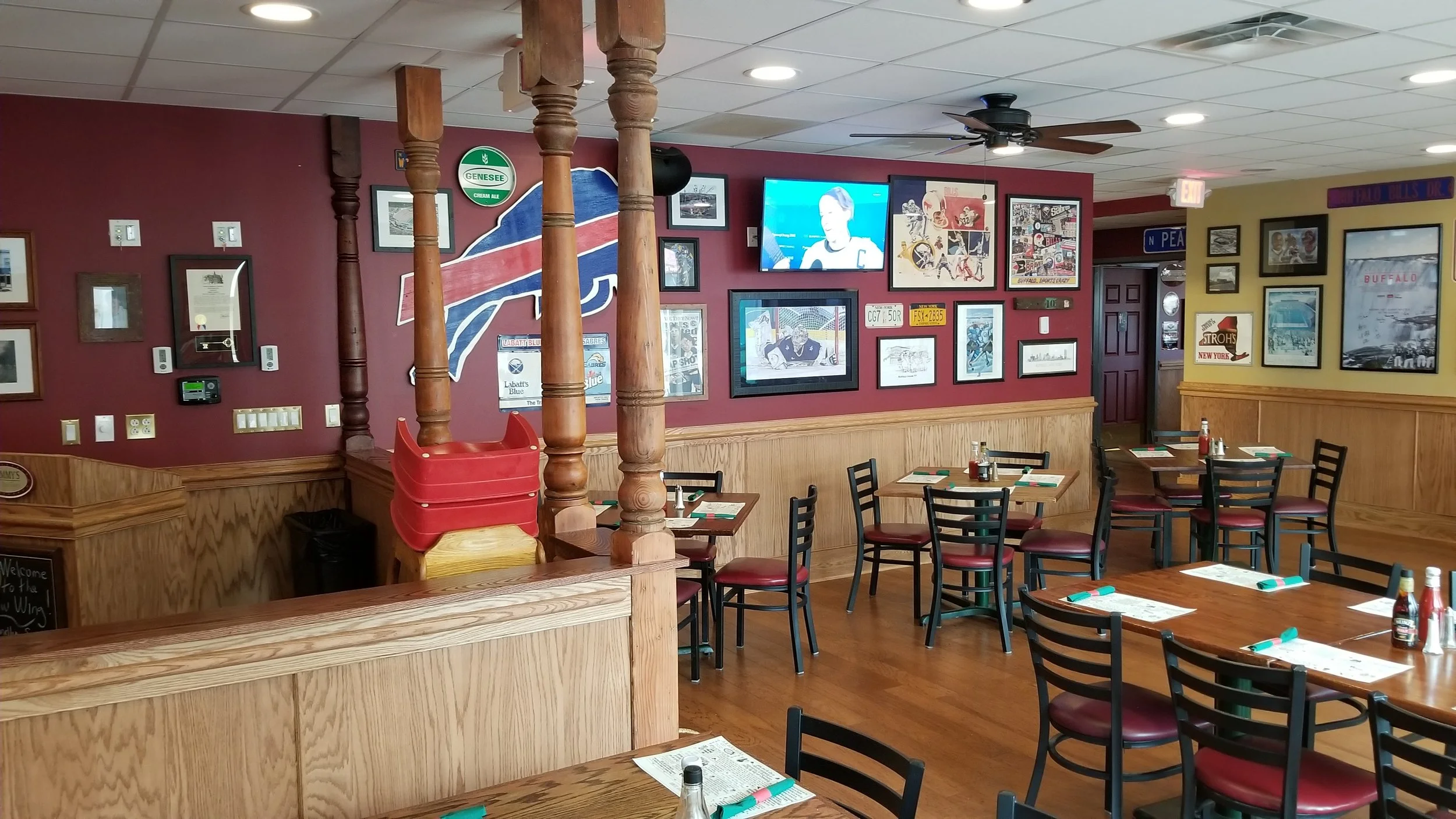
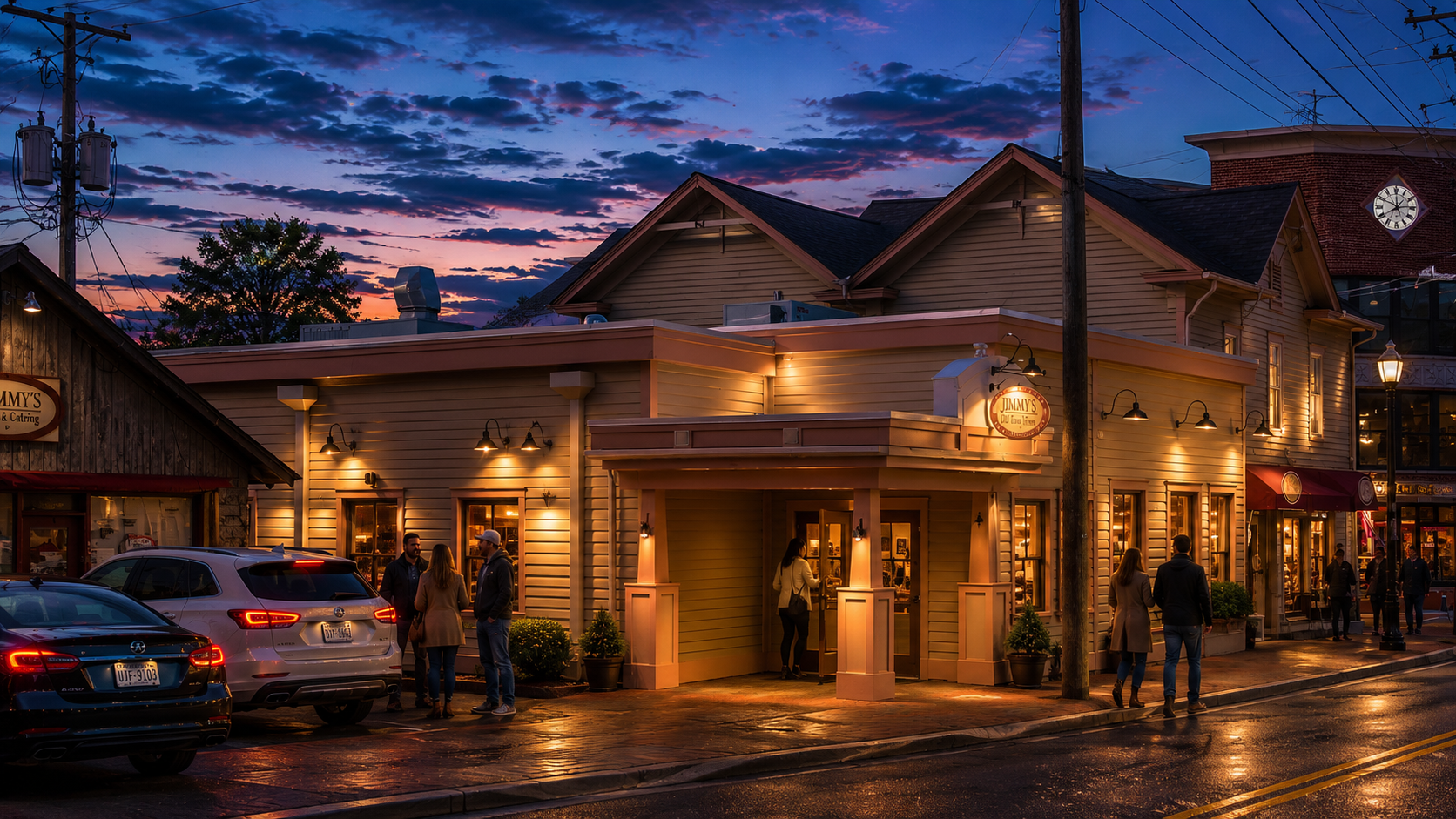
The scope involved a comprehensive renovation and significant expansion, increasing the building from 5,500 square feet to approximately 18,000 square feet. Two new wings were introduced—one dedicated to an expanded dining environment and the other housing a commercial-grade kitchen and upgraded support spaces. These additions were carefully integrated with the original structure, maintaining a cohesive architectural language while clearly expressing the evolution of the building.
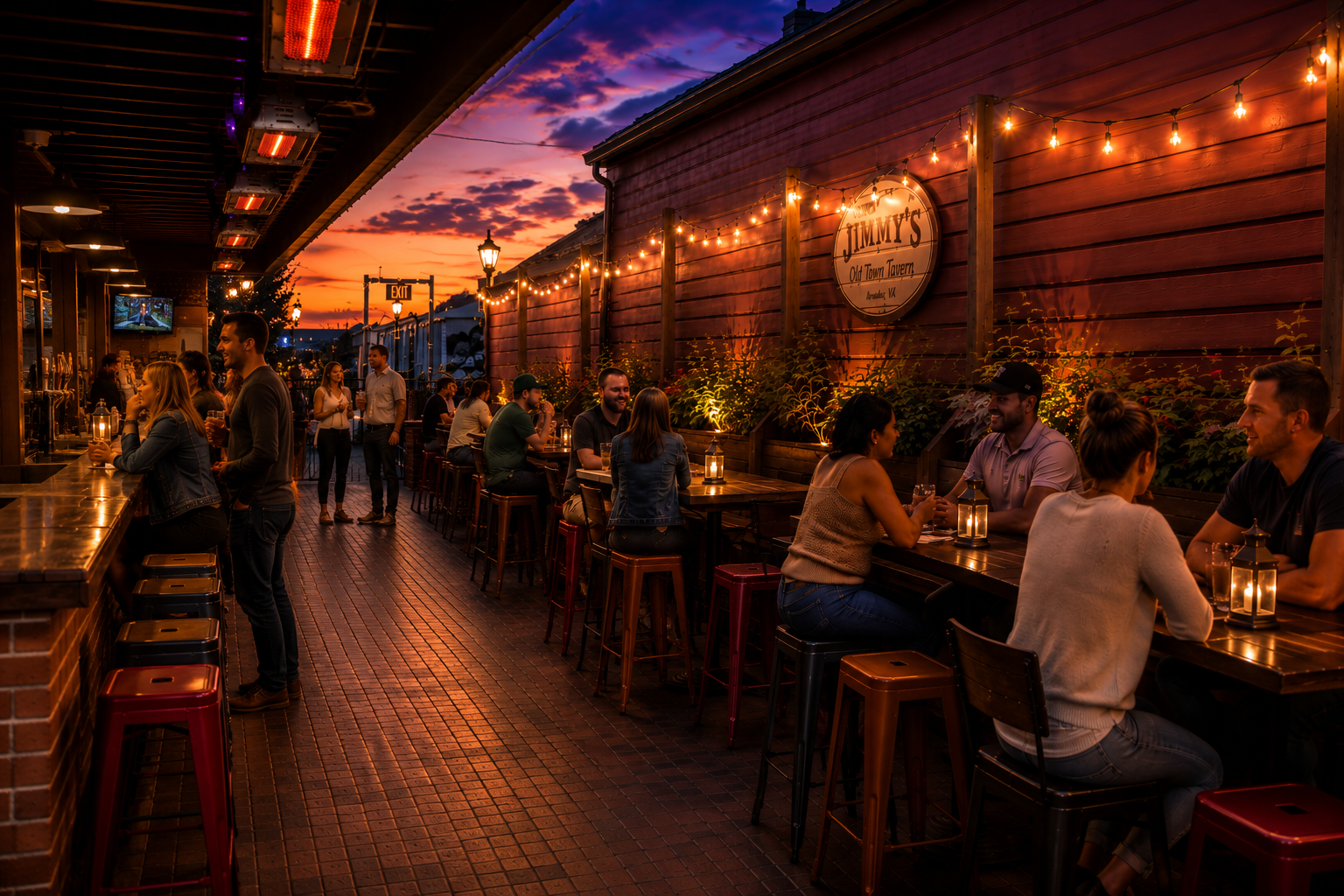
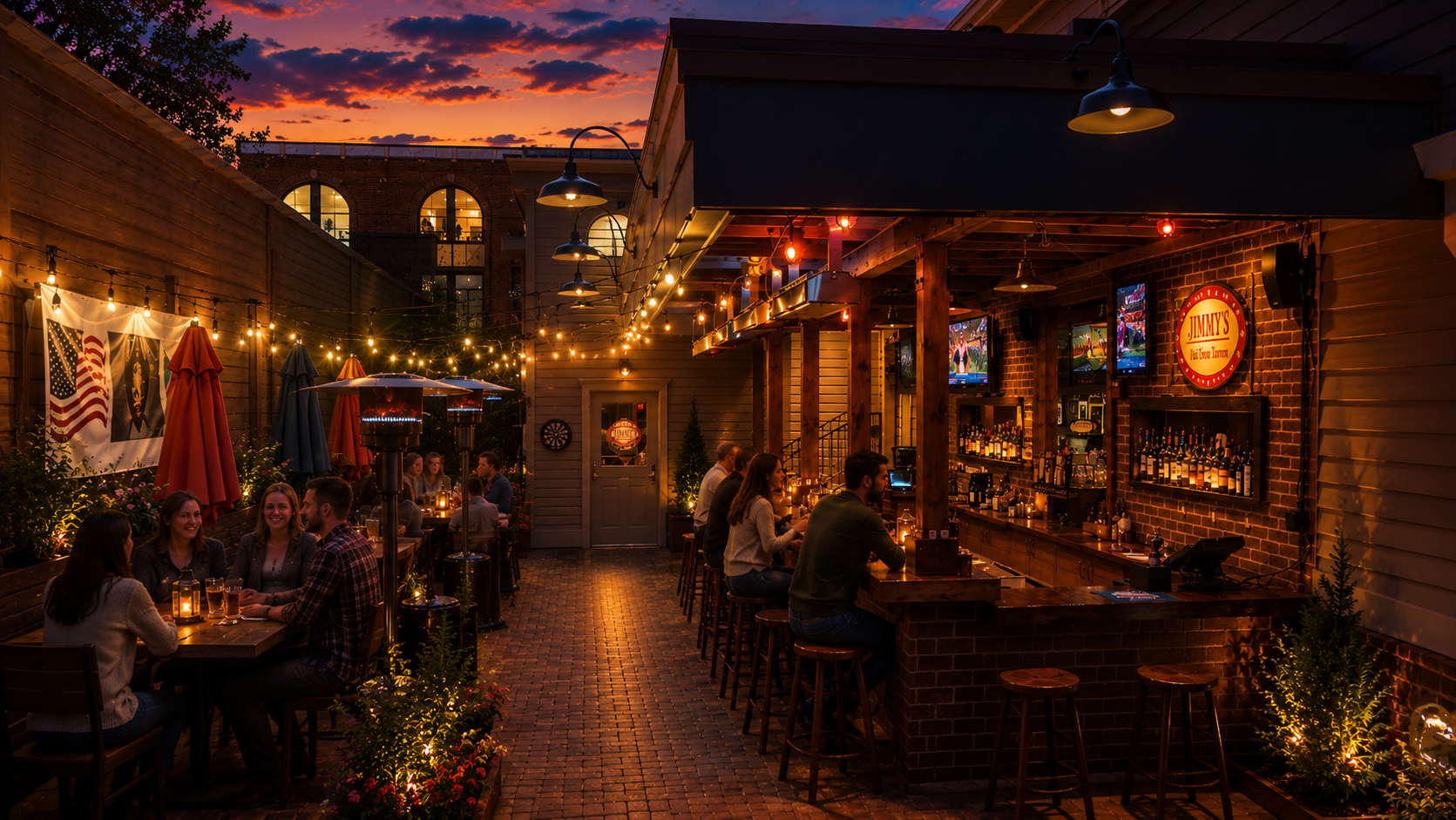
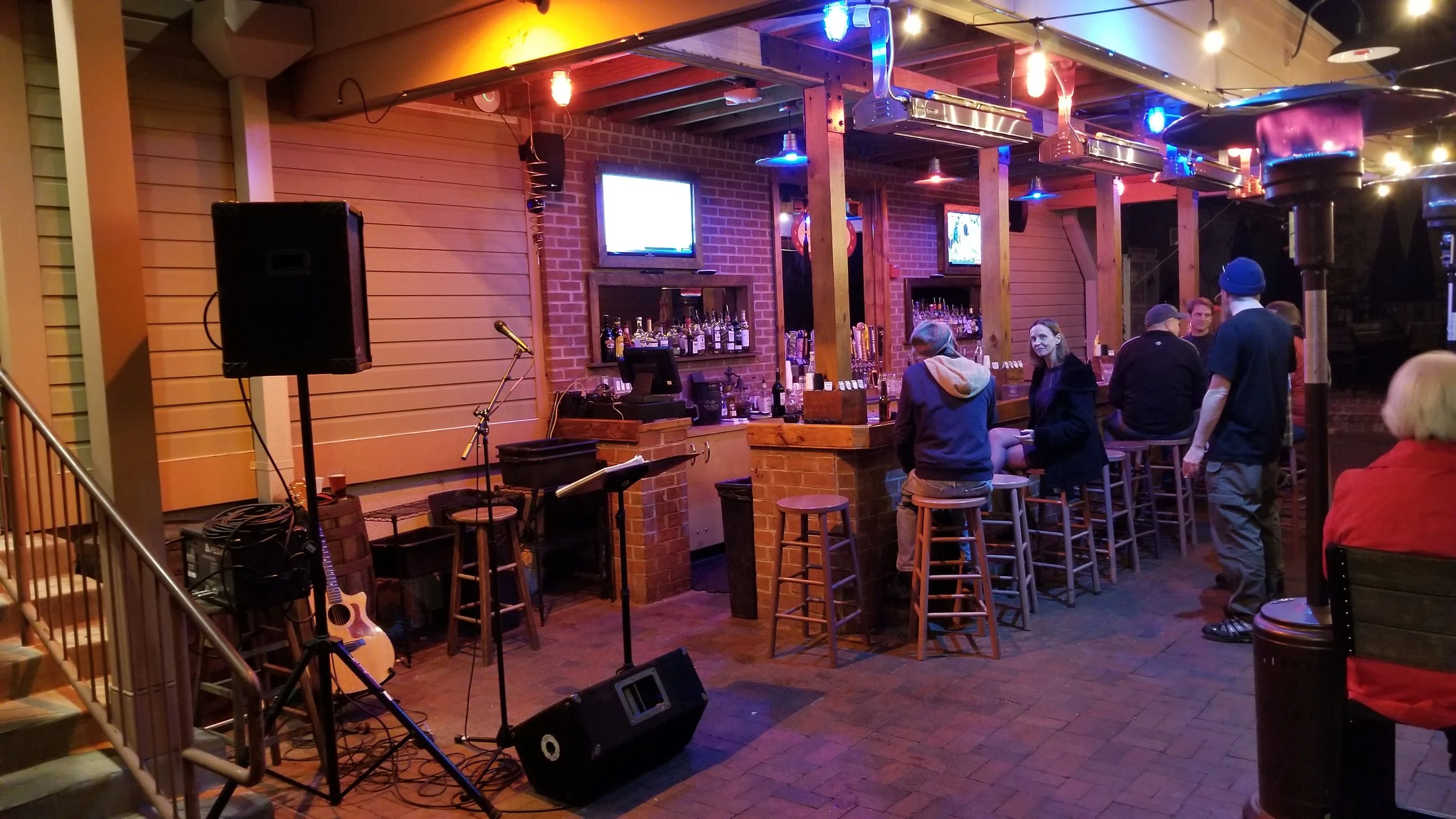
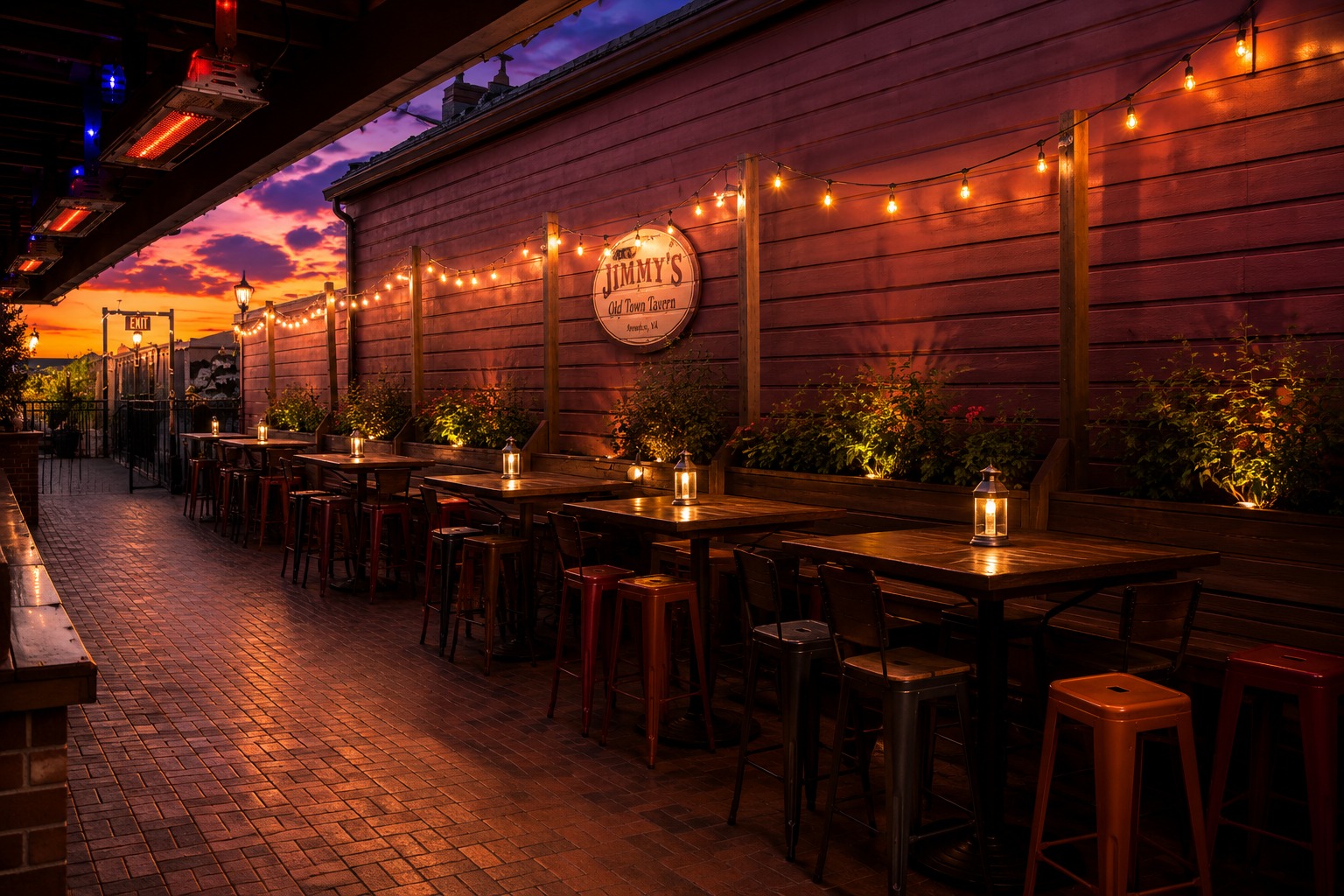
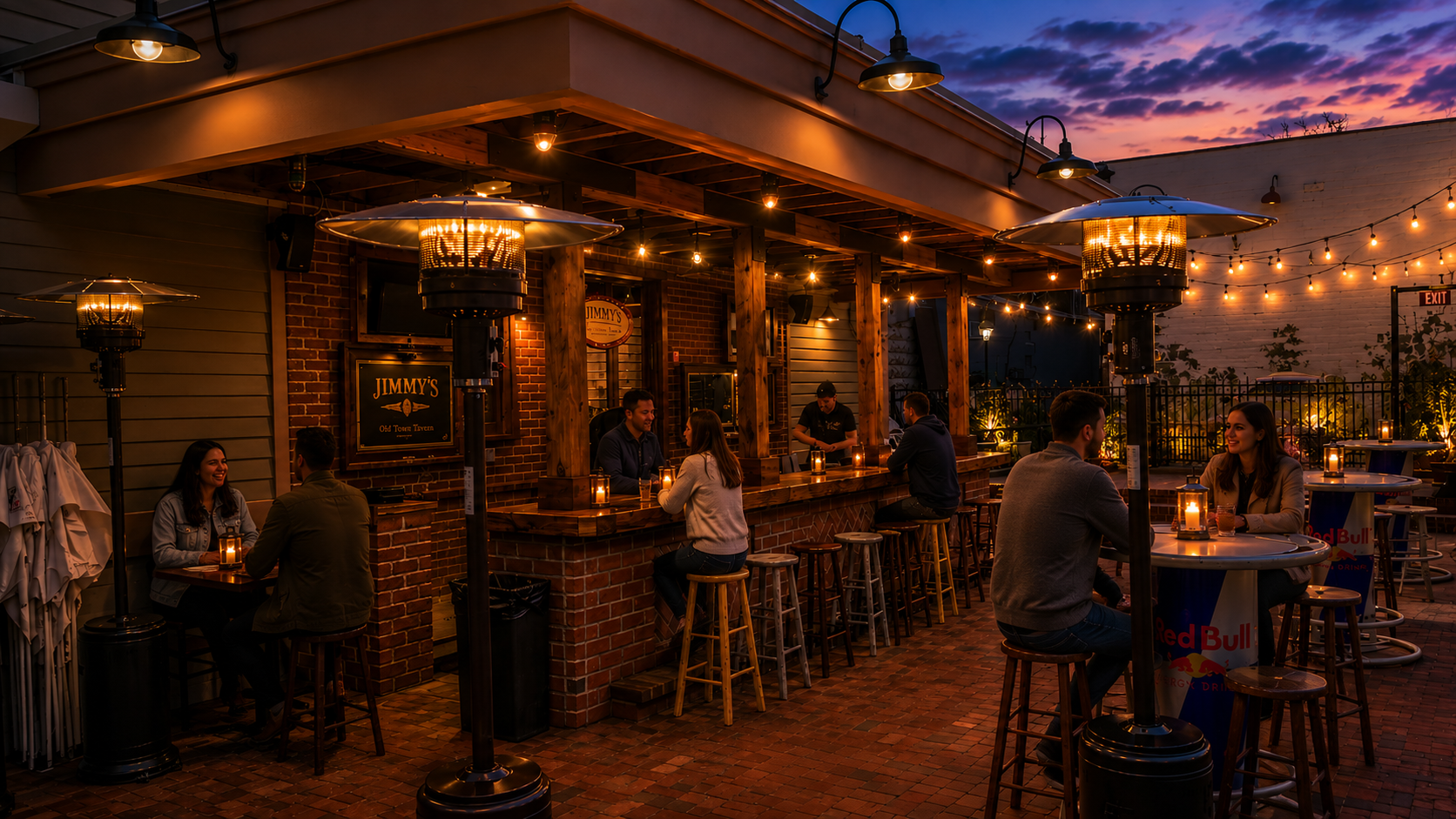
The design strategy focused on enhancing functionality, improving circulation, and creating a series of dynamic social environments. At the heart of the project is the introduction of the Beer Garten—a flexible outdoor venue that extends the building’s program into the landscape. Featuring a full-service bar, diverse seating arrangements, and a dedicated performance stage, the space is designed to support live music, community events, and everyday gathering. Seamless indoor-outdoor connections reinforce a continuous guest experience, activating the site throughout the year.
Design Team
Architecture | RH+ARCH studio
Structural | Beale Engineering
Electrical Engineering | DDG Virginia
Mechanical & Plumbing Engineering | DDG Virginia
Role
Architect of Record
Project Designer
Services Provided
Pre-Design
Schematic Design
Construction Documentation
General Contractor Negation / Bidding
Permitting
Construction Administration
Accessibility and code compliance were key drivers of the renovation. New entries, upgraded circulation paths, and fully accessible restroom facilities were incorporated to meet current ADA standards, ensuring inclusivity without compromising the integrity of the historic structure.
The result is a thoughtful balance of preservation and innovation—where a once-utilitarian building has been transformed into an active social hub. The project honors its past while delivering a renewed, high-performing environment for dining, entertainment, and community engagement.