Northern Virginia Bioscience Center
Built for Research. Tuned for Innovation
Design Team
Architecture | Rich Hostelley Architect | LPA
Structural Engineering | Structura
Electrical Engineering | McKinney & Co.
Mechanical & Plumbing Engineering | Inversity Consultants
Role
Consultant (Engaged by LPA)
Architect of Record
Project Designer
Services Provided
Pre-Design
Schematic Design
Construction Documentation
Permitting
Construction Administration
Three-Dimensional Visualization
Location
Manassas, Virginia
Sector / Use
Commercial
Project Type
Research Center
Scope
New Ground Up Construction
Date
2022
Construction Cost
$18.5M
Project Narrative
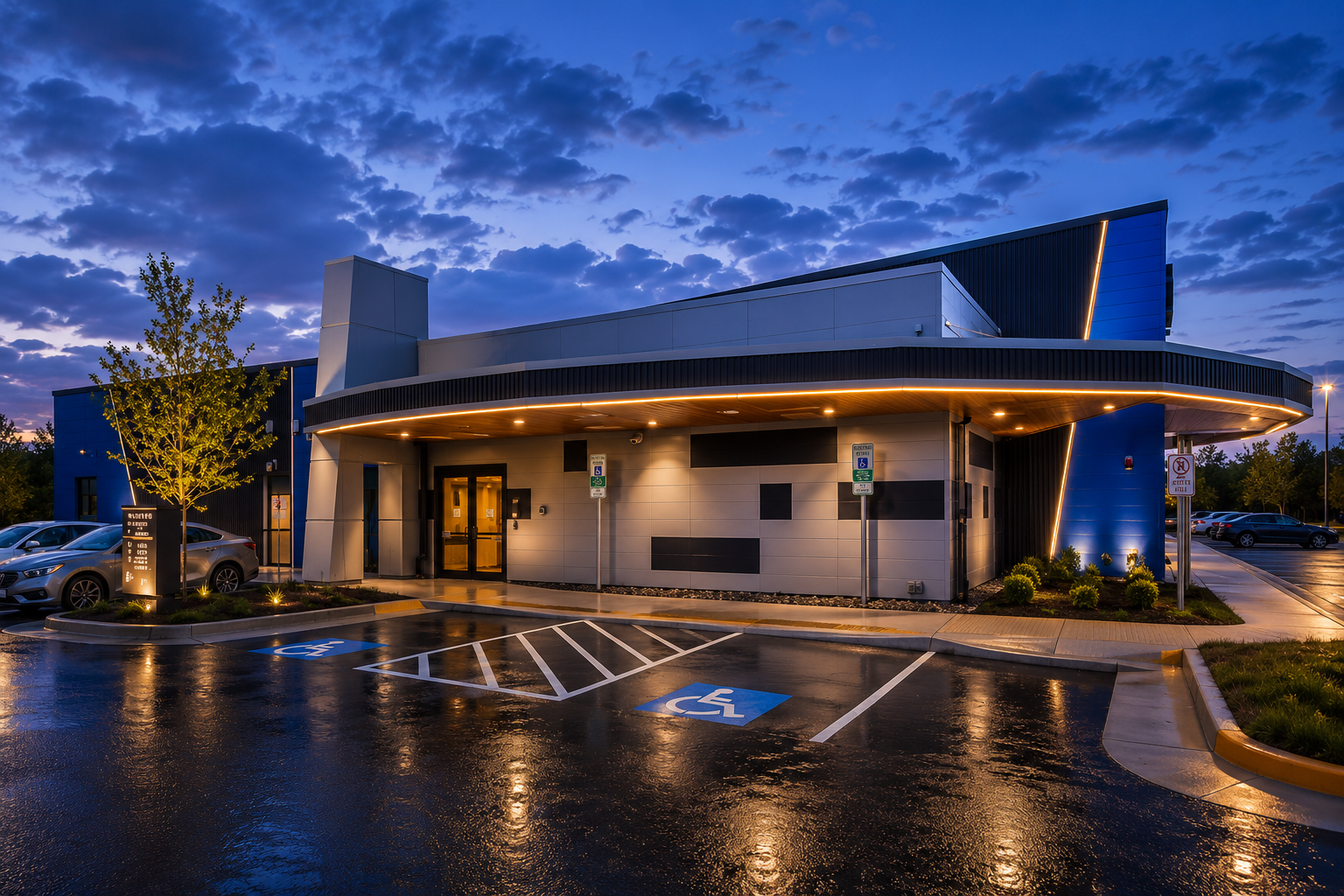
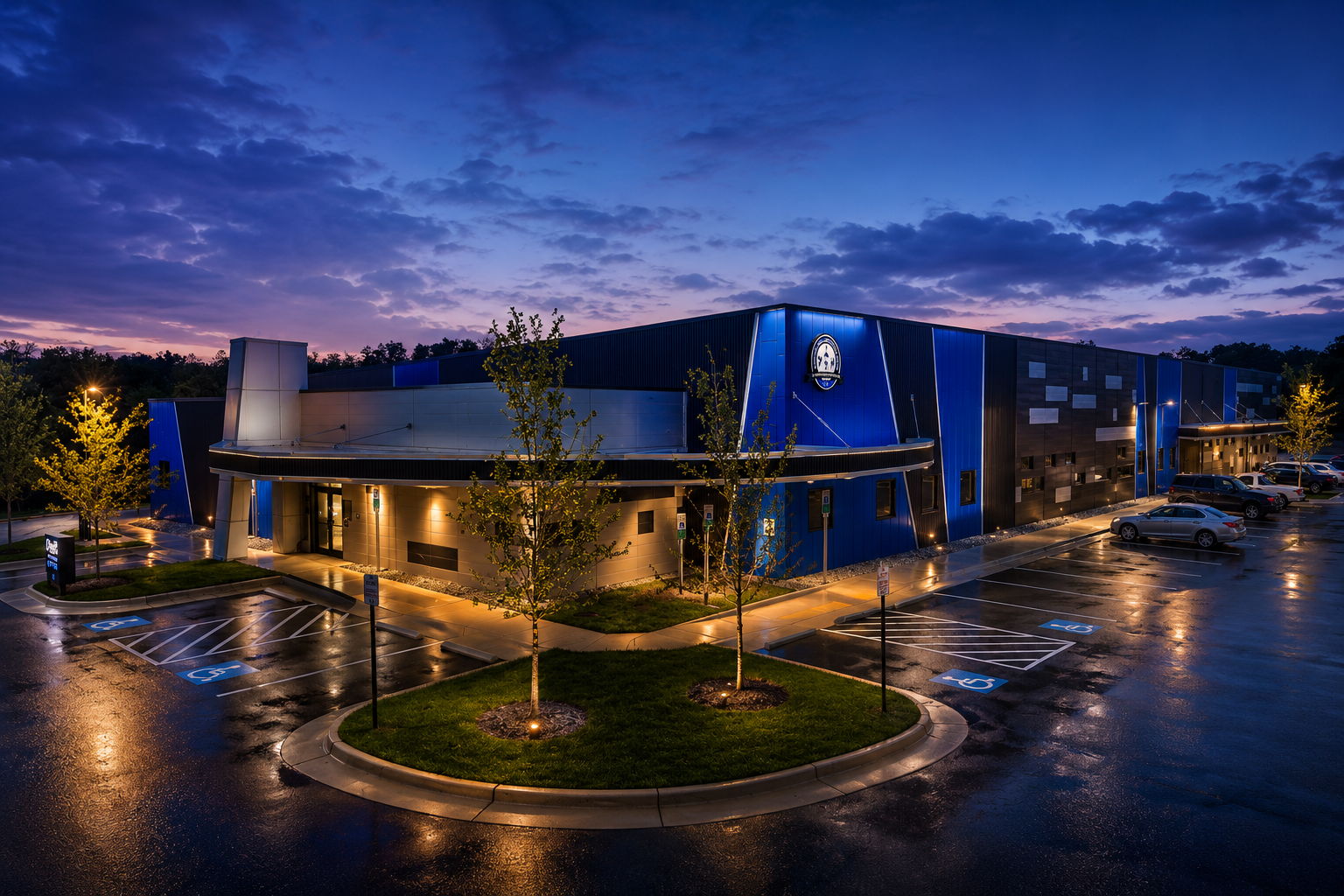
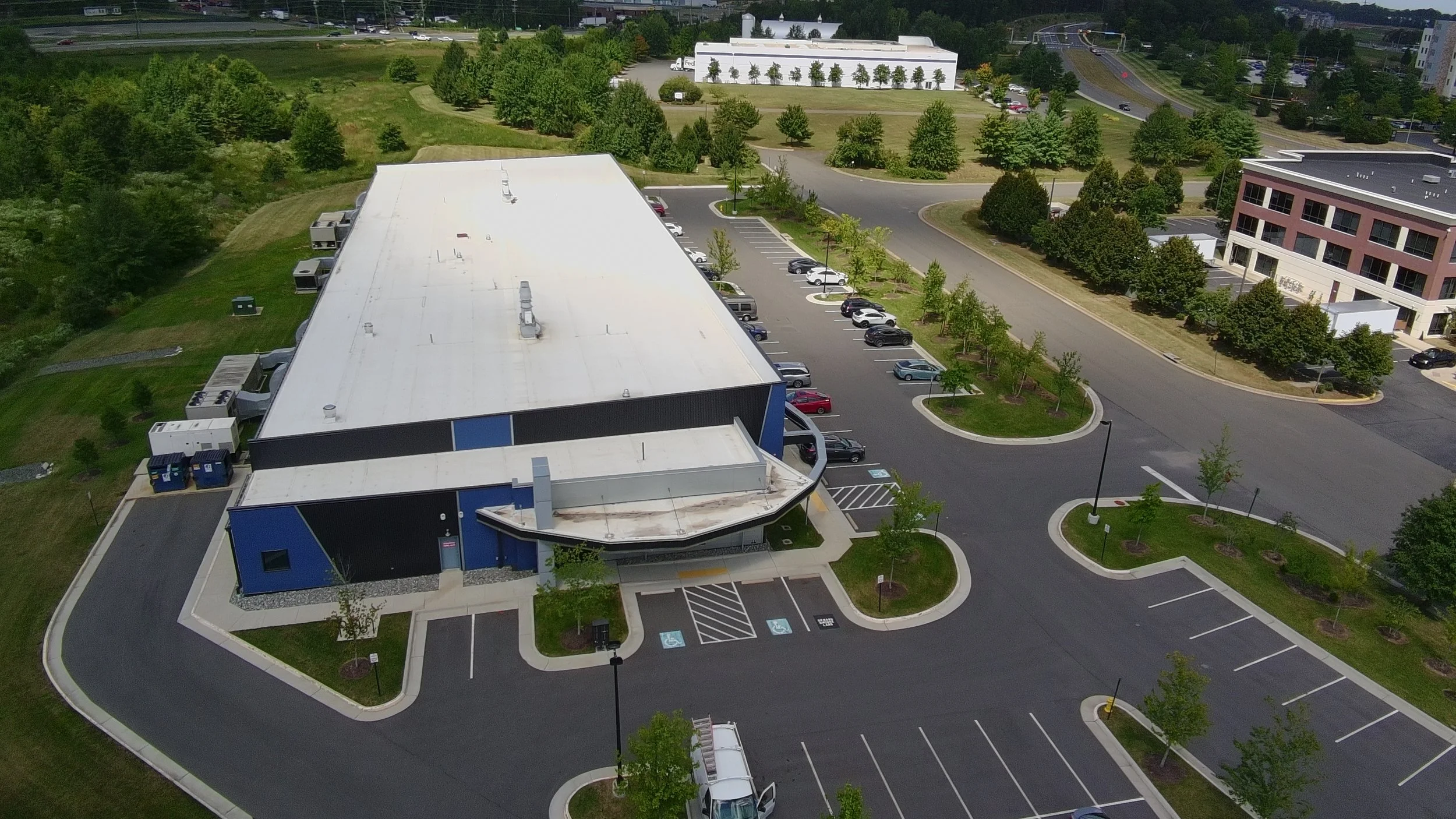
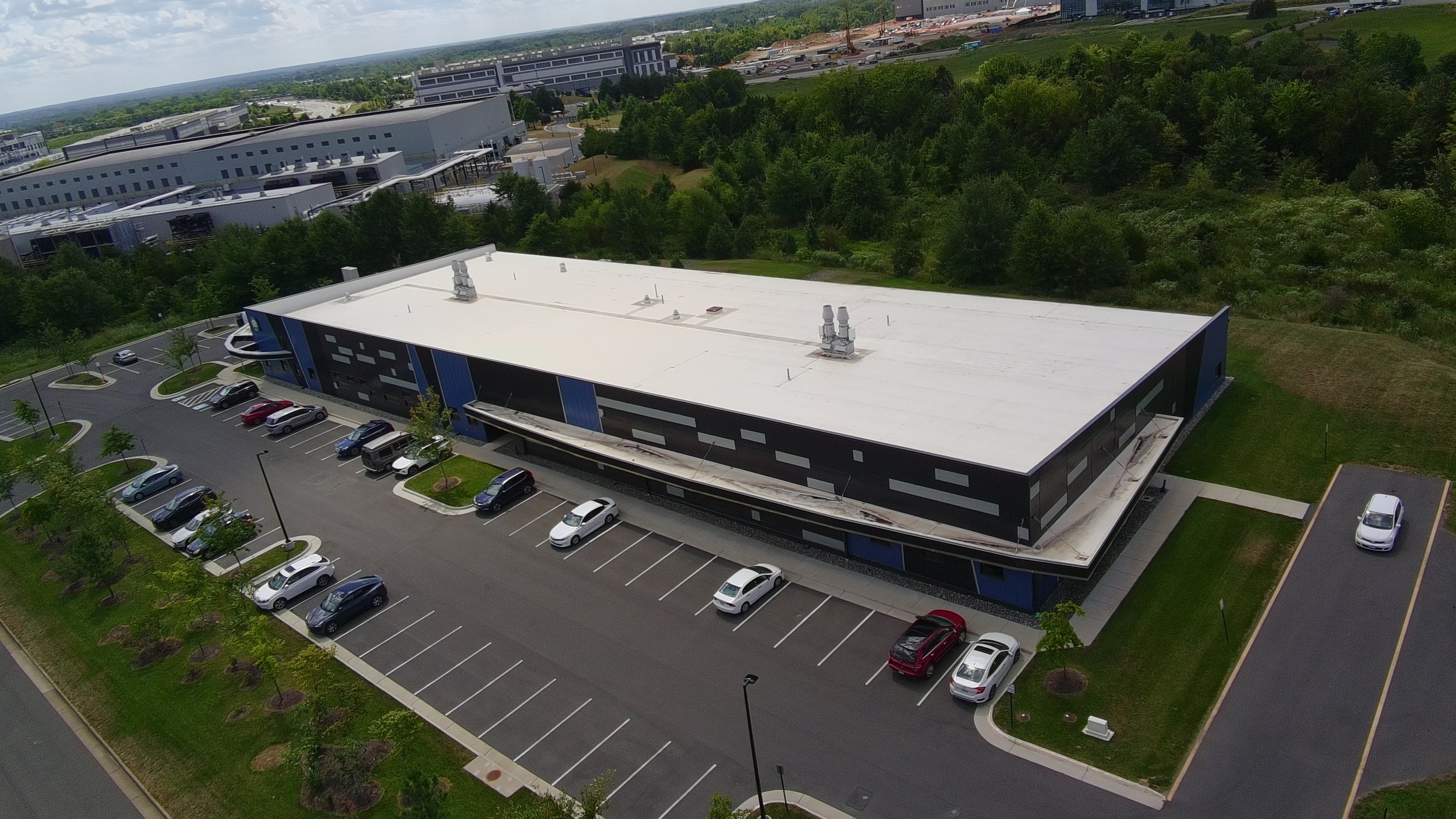
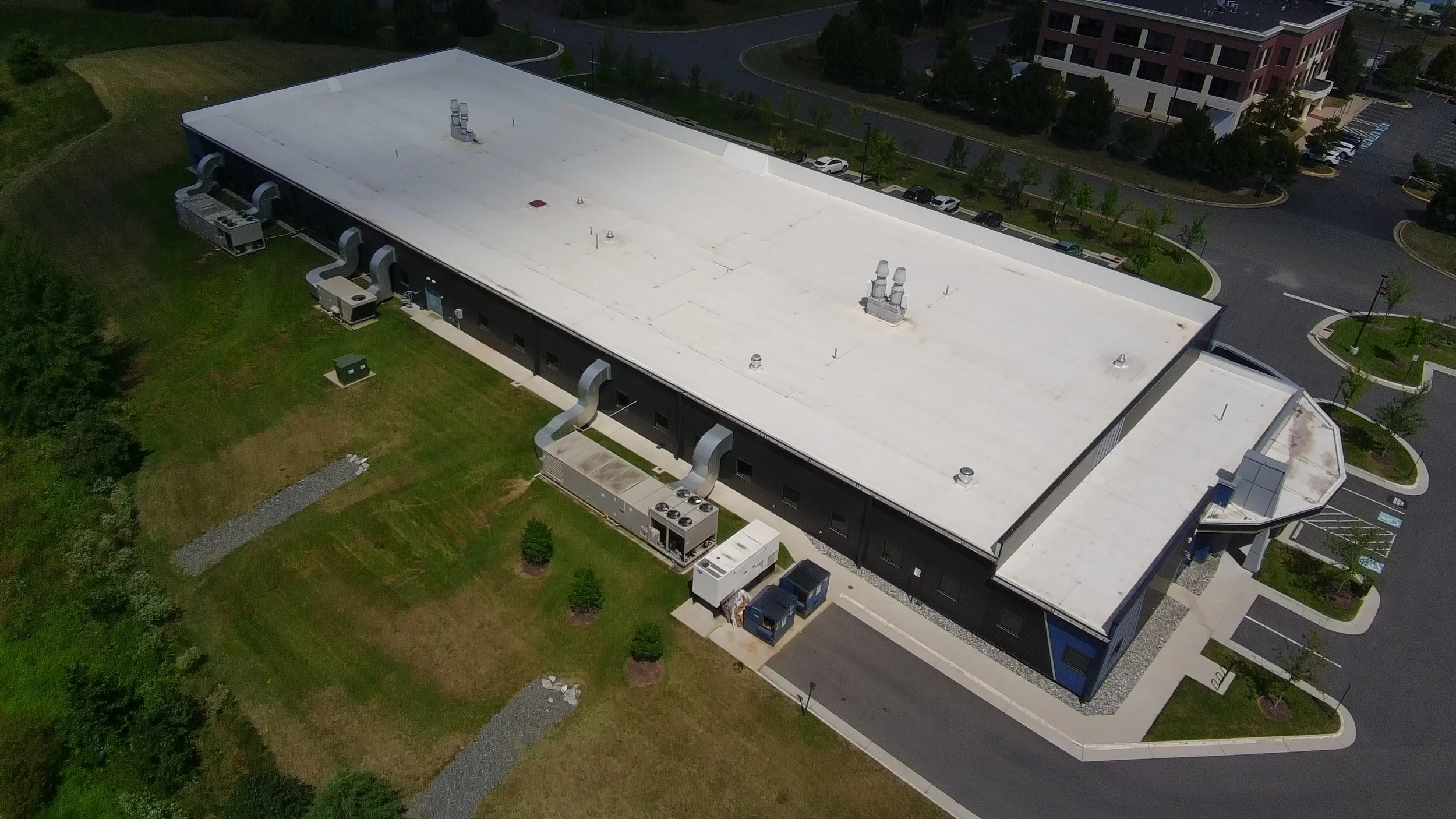
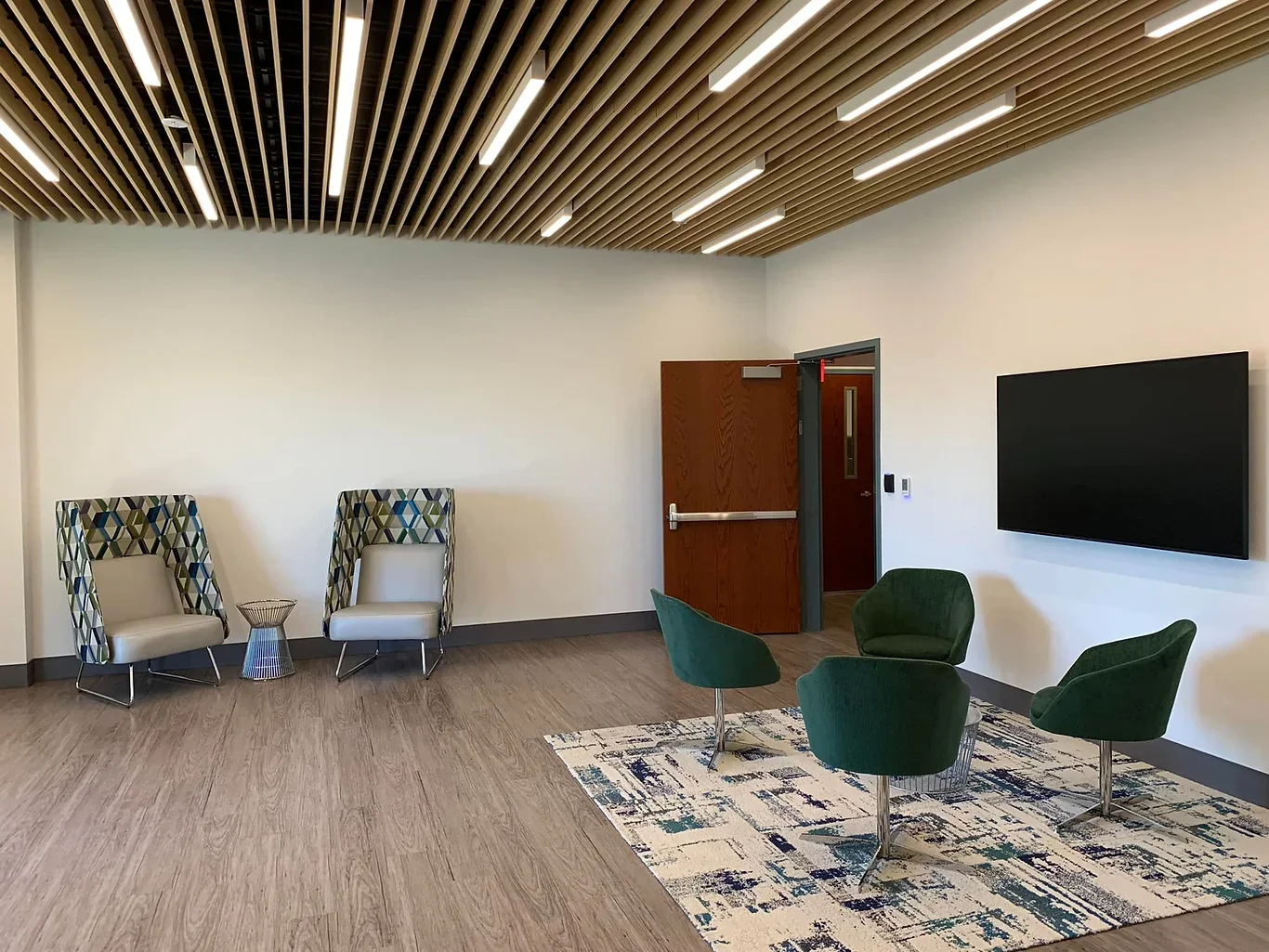
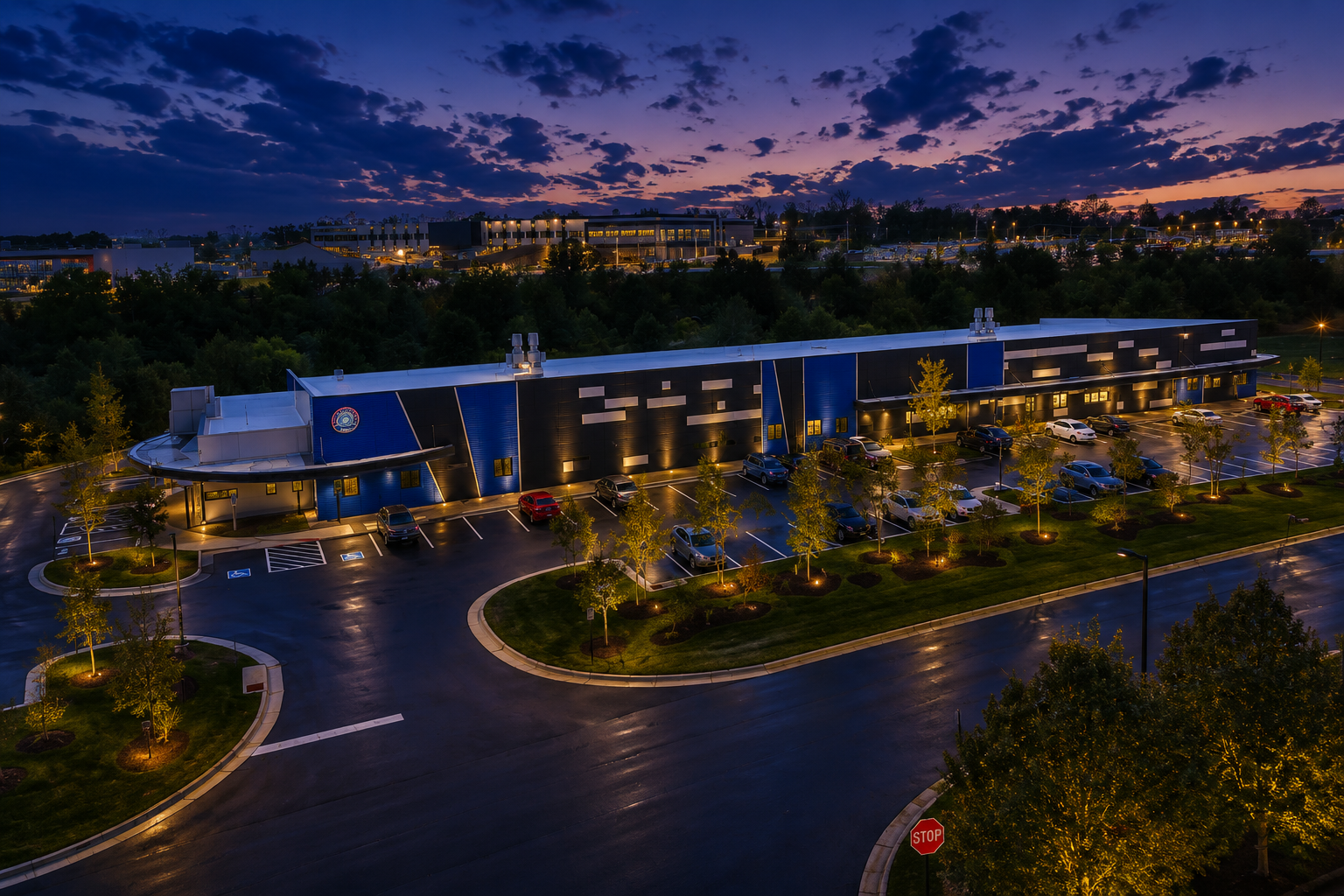
Loveless Porter Architects engaged Rich Hostelley Architect as Design Consultant for the development of the NOVA Bioscience Center—a 30,000-square-foot, purpose-built facility designed to advance innovation in biotechnology and life sciences.
In this role, Rich brought extensive experience in both architectural design and technical planning for specialized environments, helping shape a facility where precision, performance, and adaptability are paramount. His involvement spanned conceptual development through detailed coordination, ensuring that the design responded to the highly controlled requirements inherent to scientific research facilities.
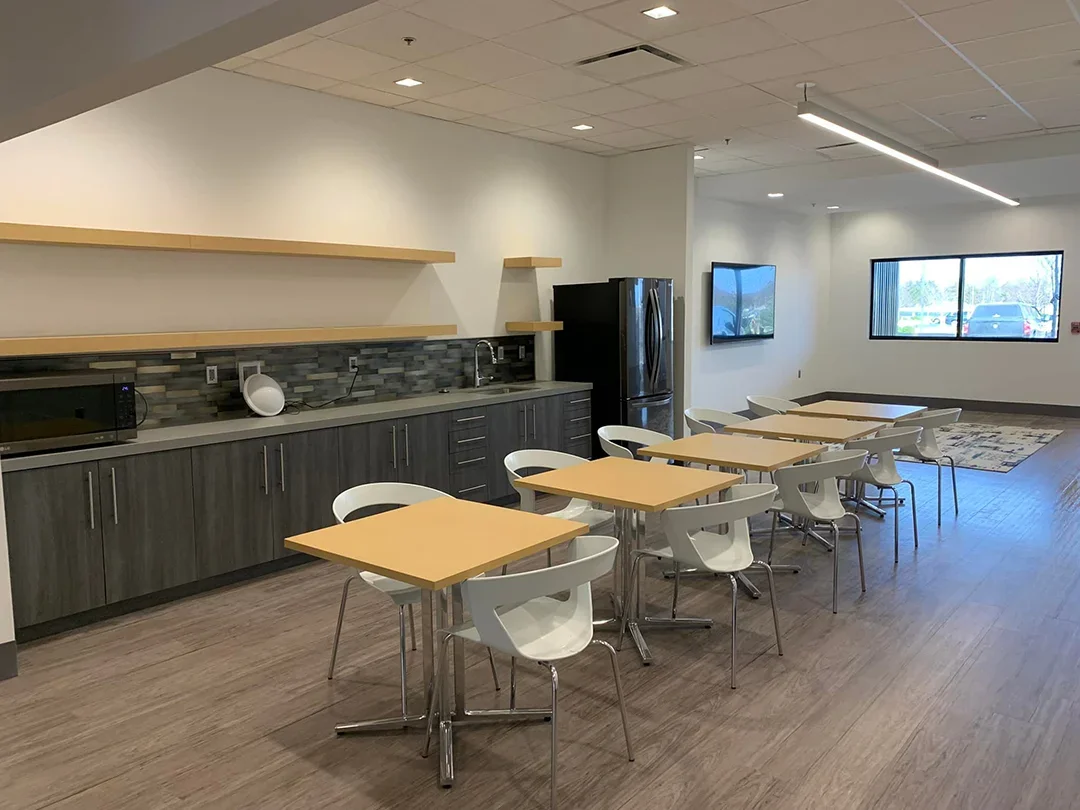
The NOVA Bioscience Center is carefully organized to support a diverse range of users—from emerging startups to established bioscience firms—by providing flexible, scalable laboratory and support spaces. The design prioritizes operational efficiency, safety, and long-term adaptability, enabling the facility to evolve alongside rapidly advancing research technologies.
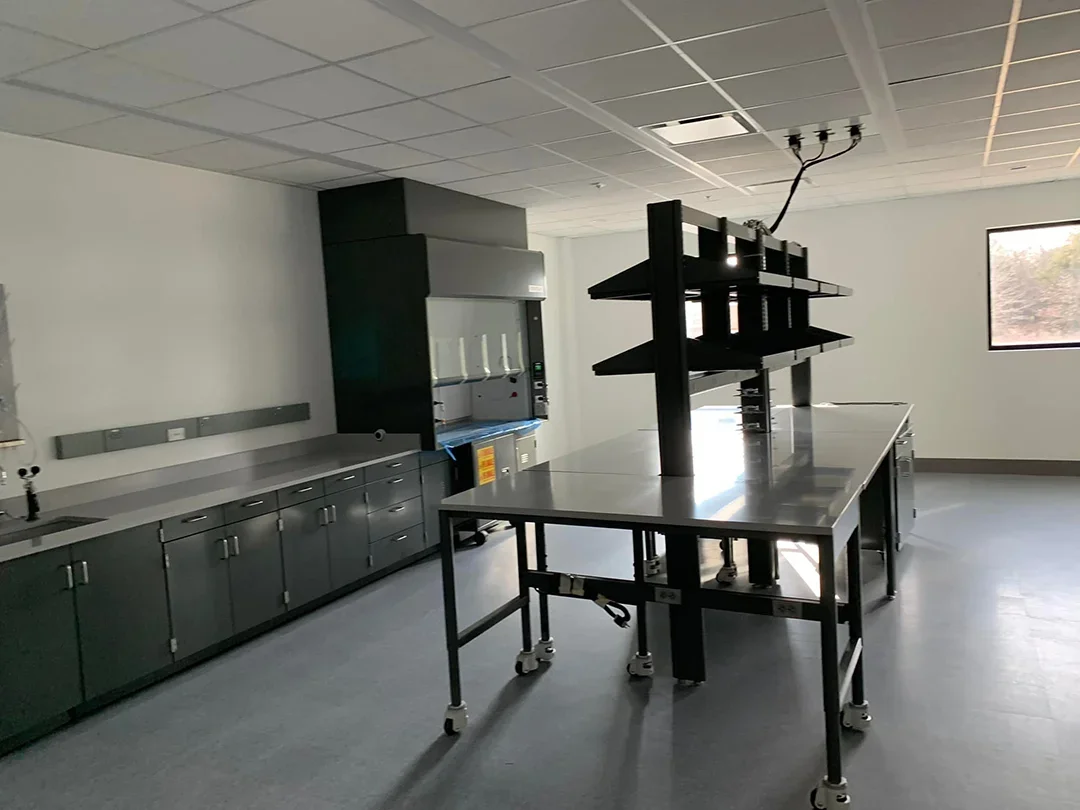
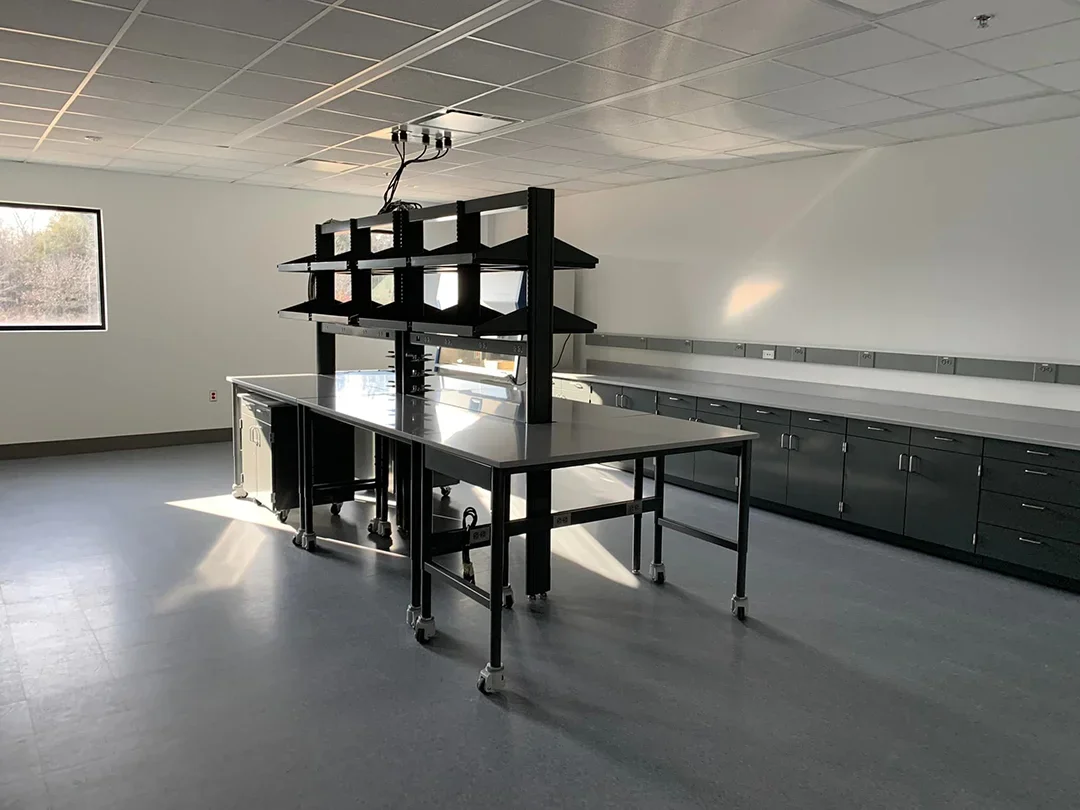
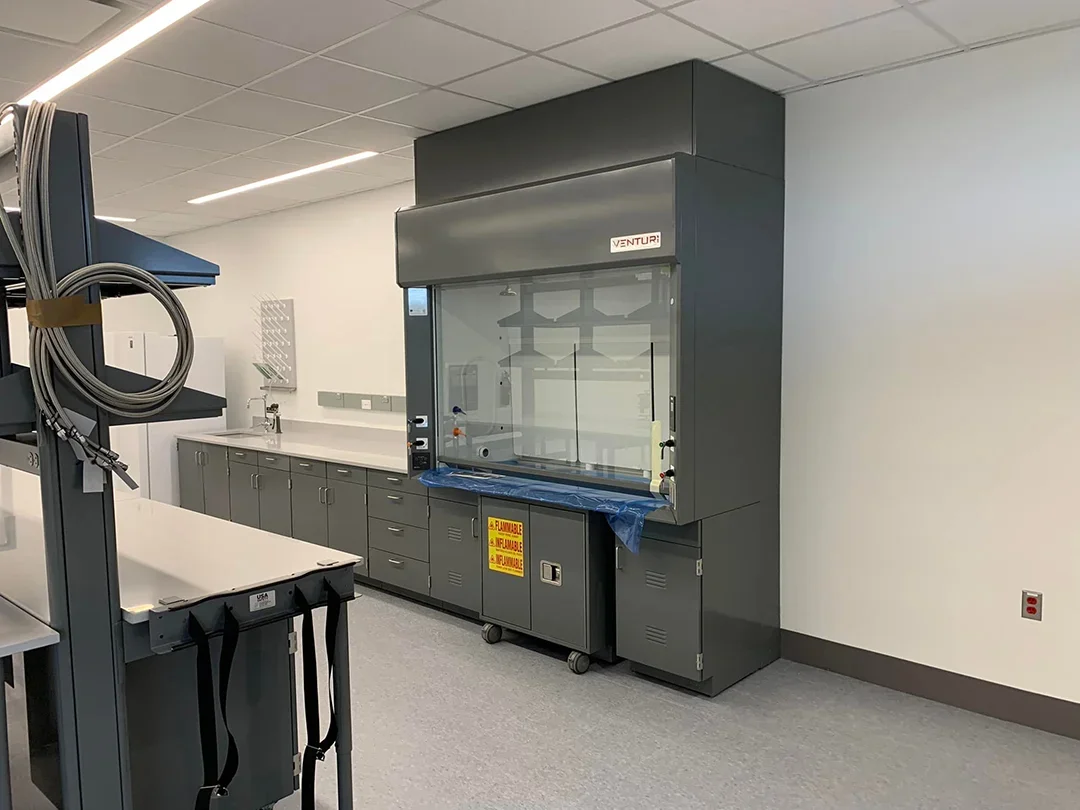
Central to the project is a suite of Biosafety Level 2 (BSL-2) laboratories, engineered to meet stringent regulatory and safety standards while maintaining efficient workflow and collaboration. These environments are designed to support research involving moderate-risk biological agents, accommodating disciplines such as microbiology, cell culture, and genetic engineering. Integrated building systems, specialized ventilation strategies, and carefully planned adjacencies ensure both user safety and optimal performance.
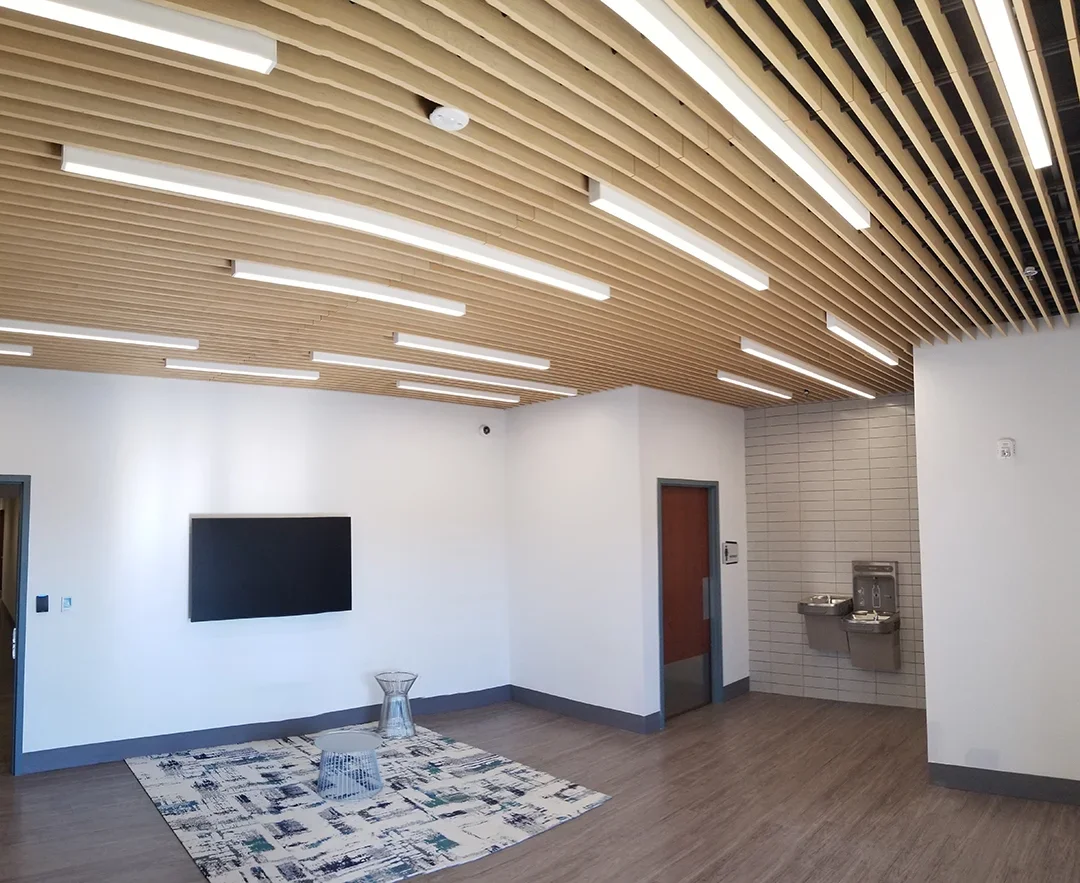
Through close collaboration with the project team, the design seamlessly integrates complex technical requirements within a clean, modern architectural framework. The result is a high-performance research environment that not only meets today’s scientific demands but is positioned to support the next generation of discovery.