71 ADU
Layered Living
Location
Pasadena, California
Sector / Use
Residential
Project Type
Accessory Dwelling Unit
Scope
New Ground up Construction
Date
2025
Construction Cost
$450,000
Design Team
Architecture | RH+ARCH studio
Structural | RH+ARCH studio
Role
Architect of Record
Project Designer
Services Provided
Pre-Design
Schematic Design
Construction Documentation
Title 24 / Energy Documentation
General Contractor Negation / Bidding
Permitting
Construction Administration
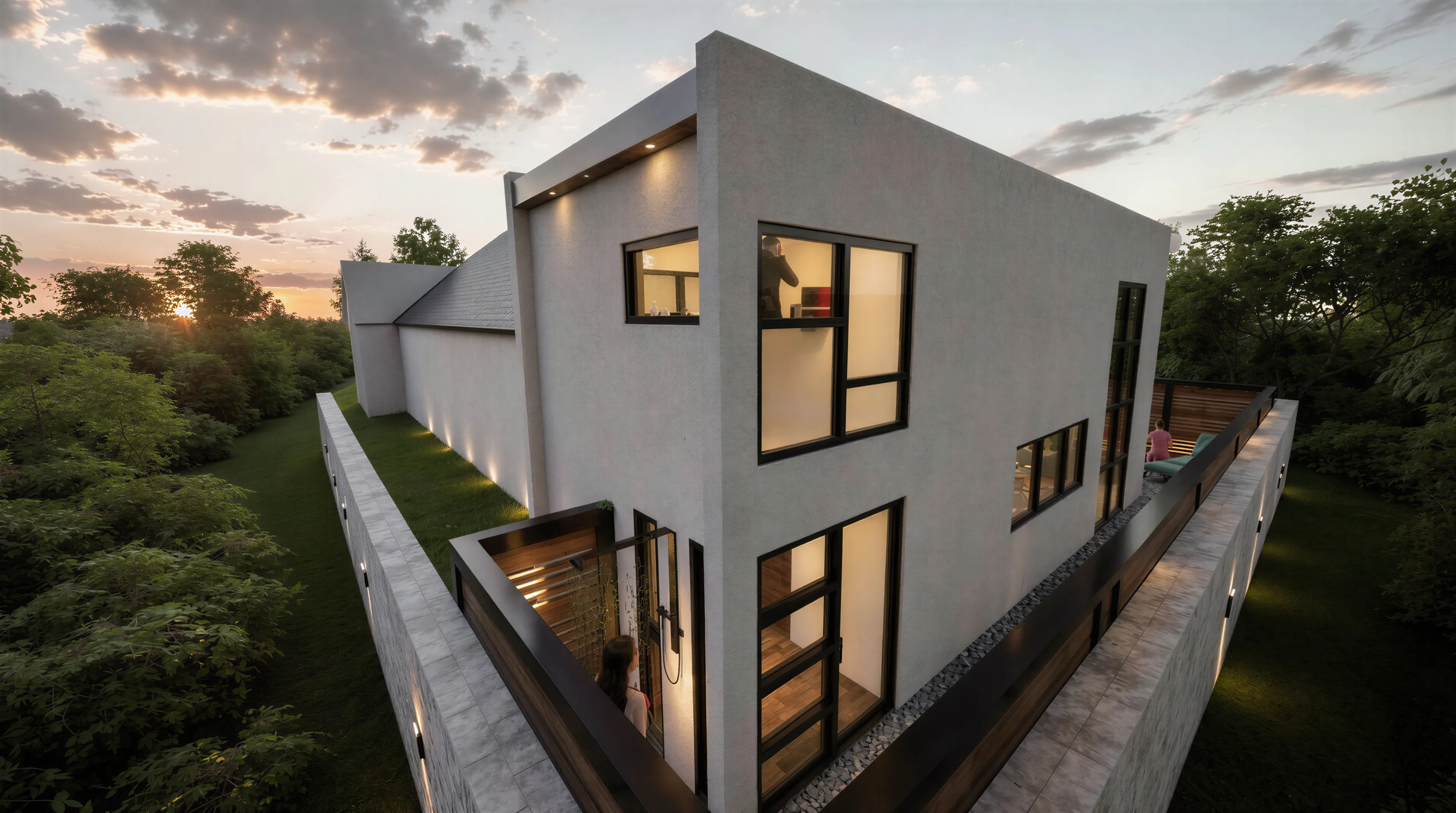
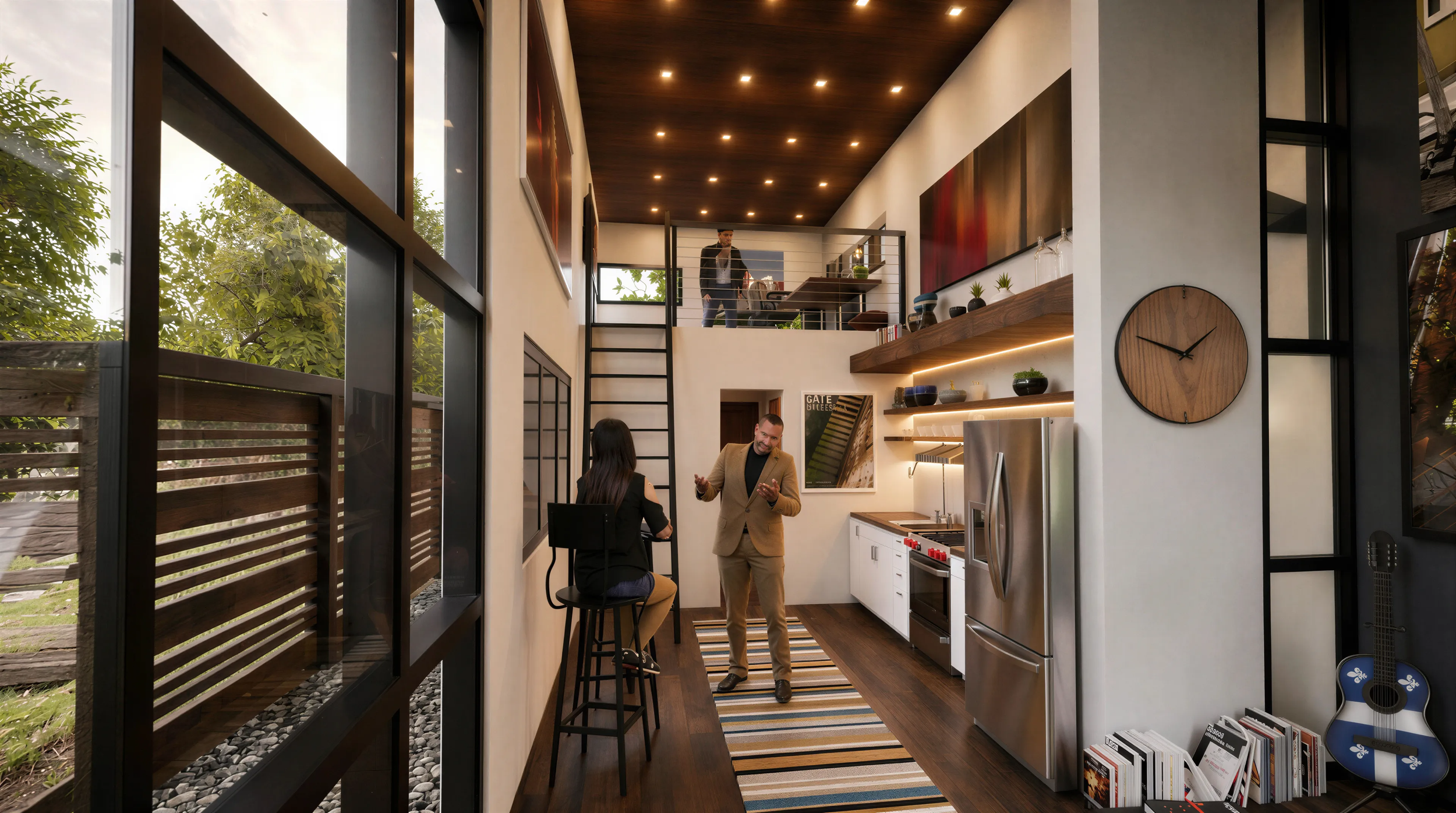
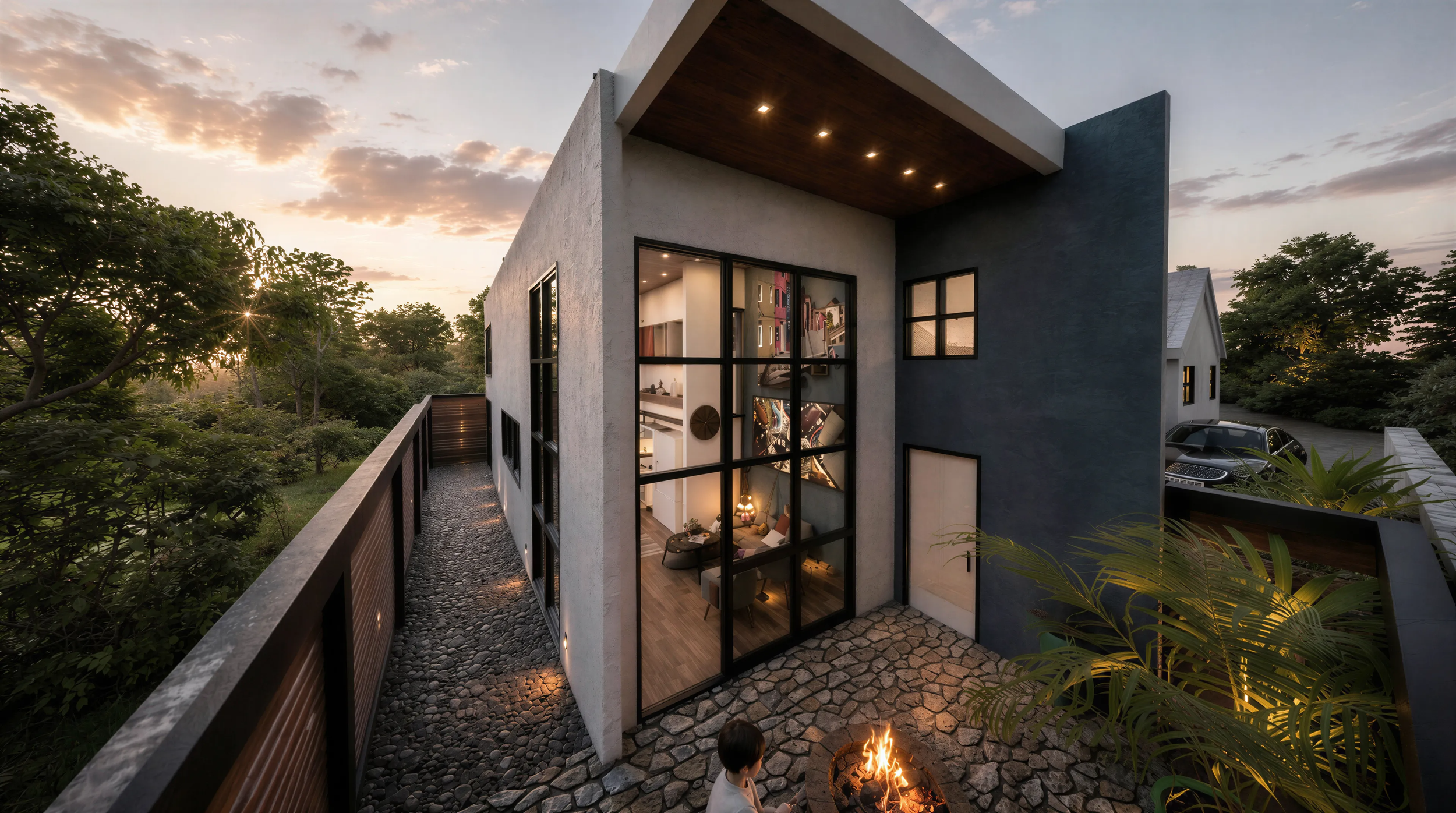
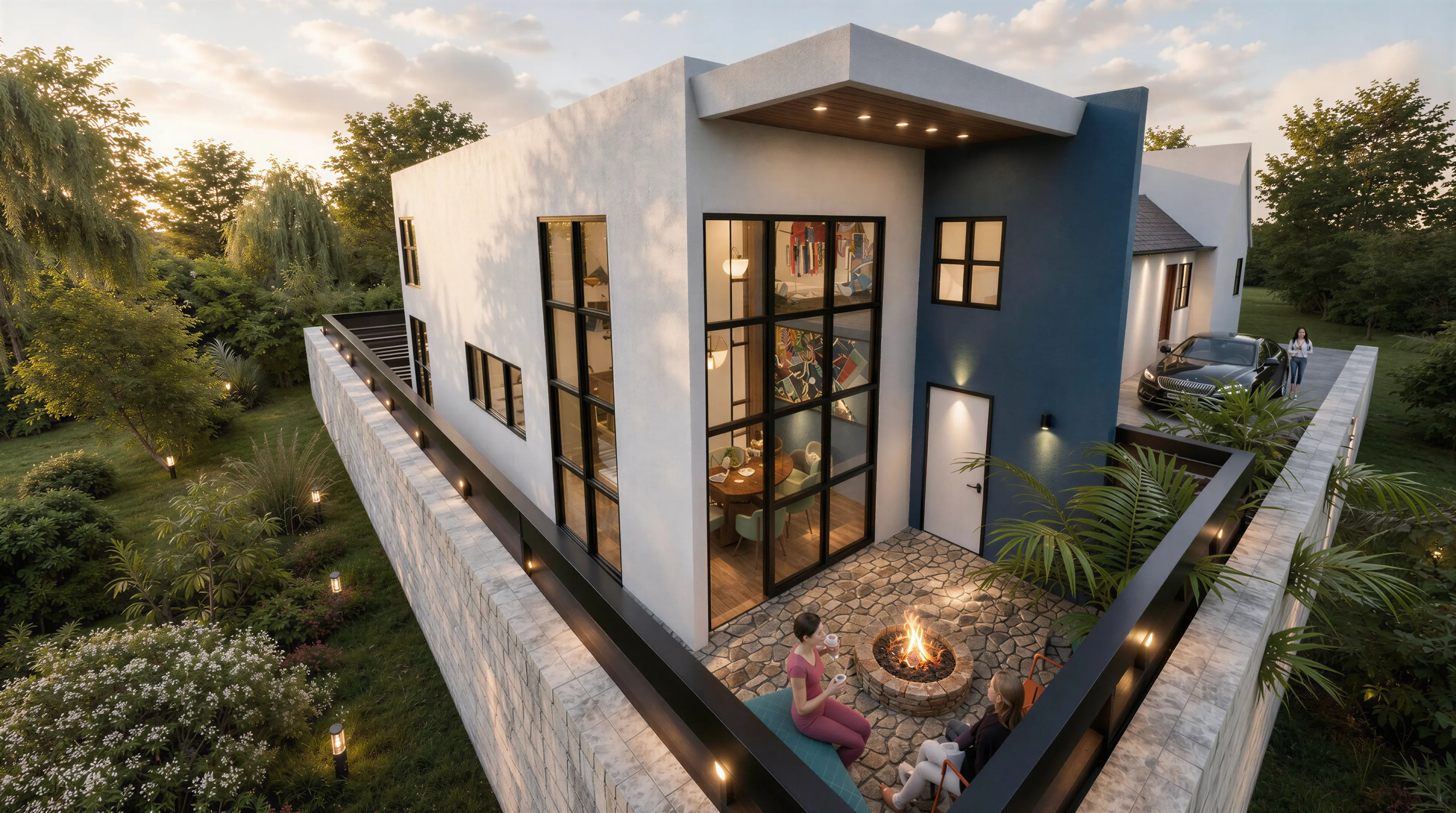
Natural light and ventilation were key drivers of the design. Strategically placed windows and clerestory openings bring daylight deep into the interior while maintaining privacy from adjacent properties. Cross-ventilation further supports comfort and energy efficiency, reinforcing a high-performing living environment.
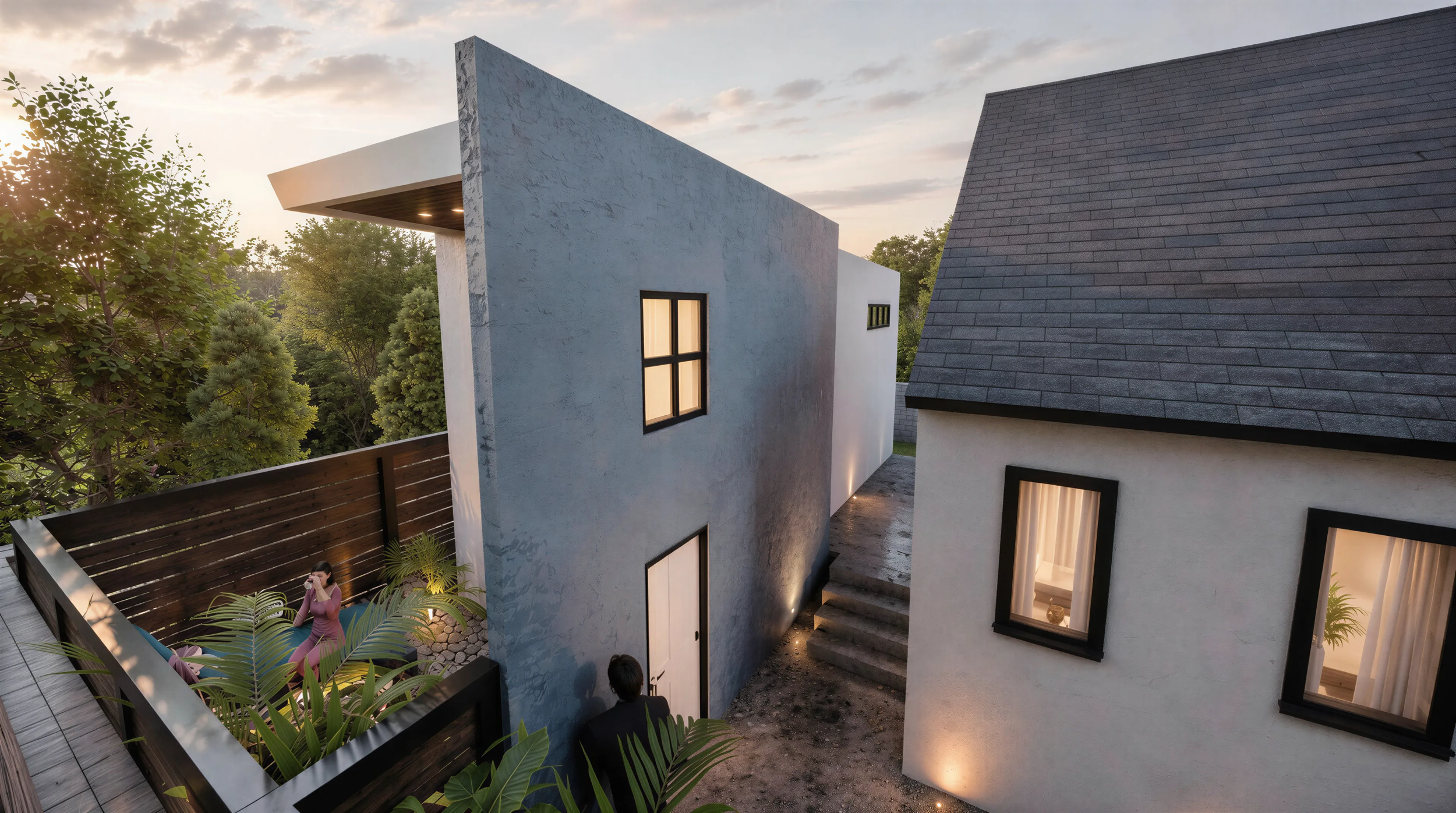
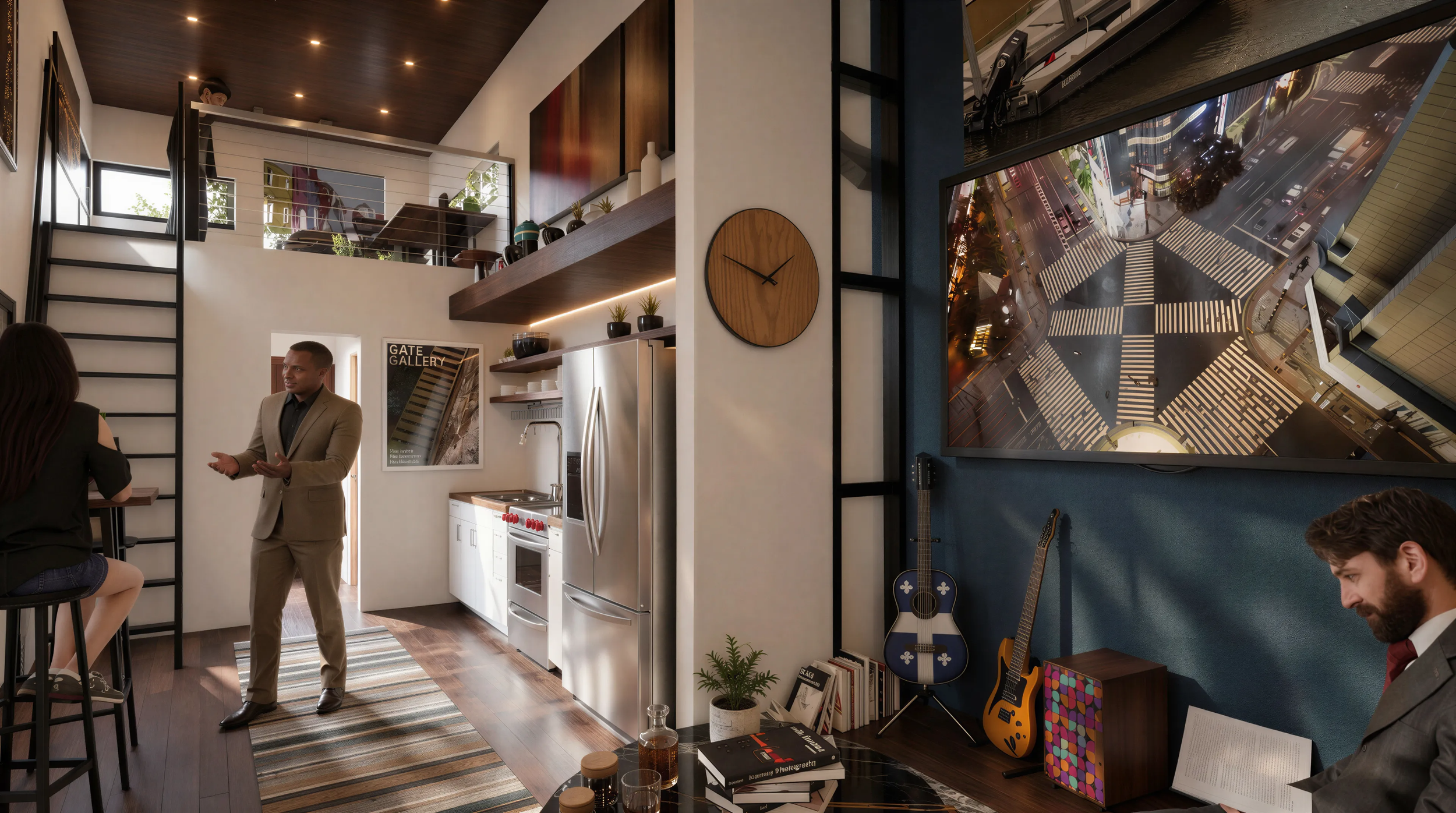
The main level is organized around an efficient, open-plan layout that includes a full kitchen, bathroom, laundry nook, and combined living and dining space. This central area extends outward to a private patio, creating a seamless indoor-outdoor connection that expands the perceived living area and supports everyday use.
The result is a compact yet highly functional residence—demonstrating how thoughtful design can elevate small-scale living through clarity, flexibility, and a strong connection to light and space.
Project Narrative
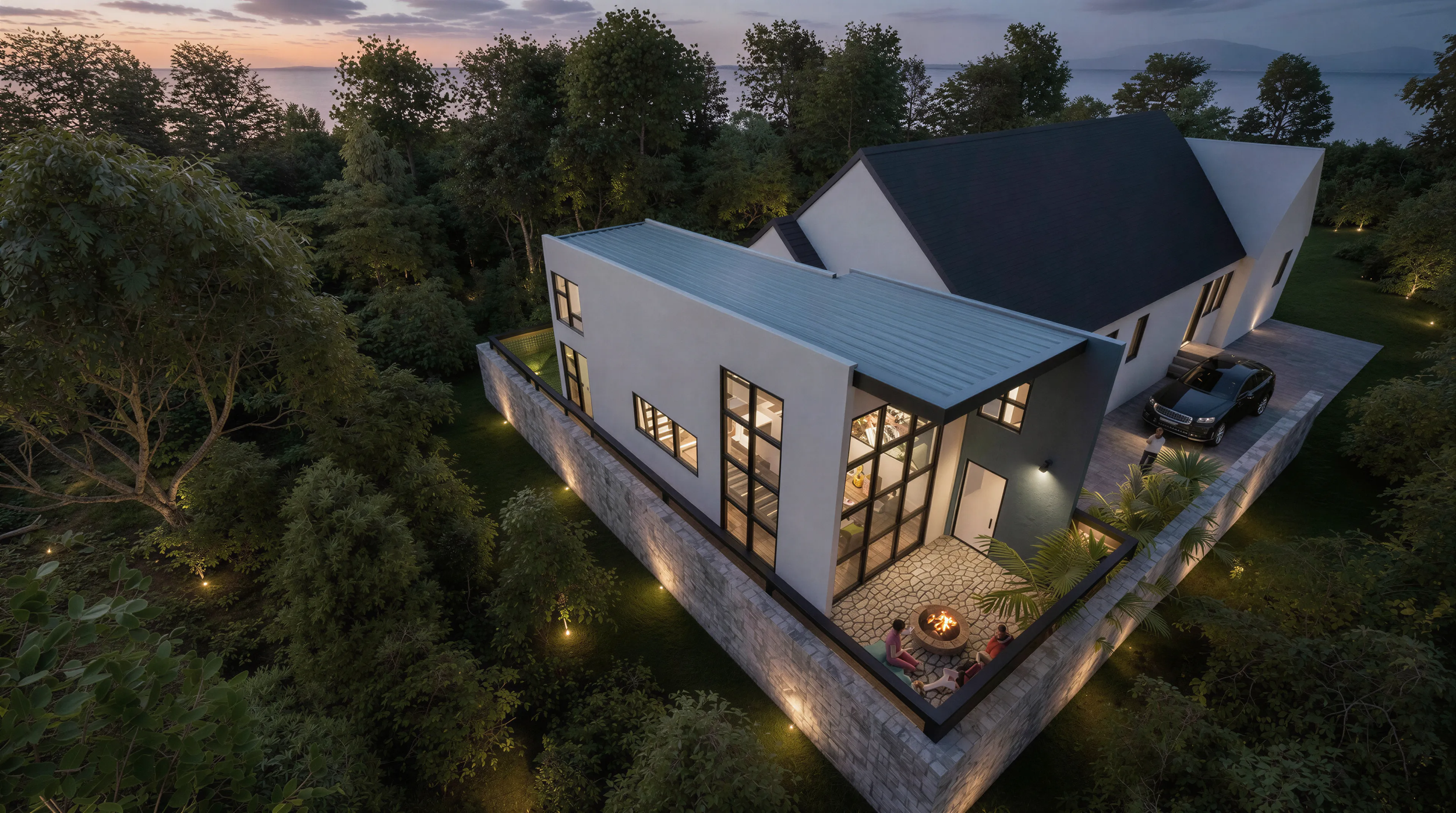
Tucked within a quiet residential neighborhood in Pasadena, California, this 750-square-foot Accessory Dwelling Unit (ADU) is designed to maximize livability, light, and flexibility within a compact footprint. Conceived as a seamless extension of the primary residence, the unit provides a fully independent living environment suited for guests, extended family, or rental use.
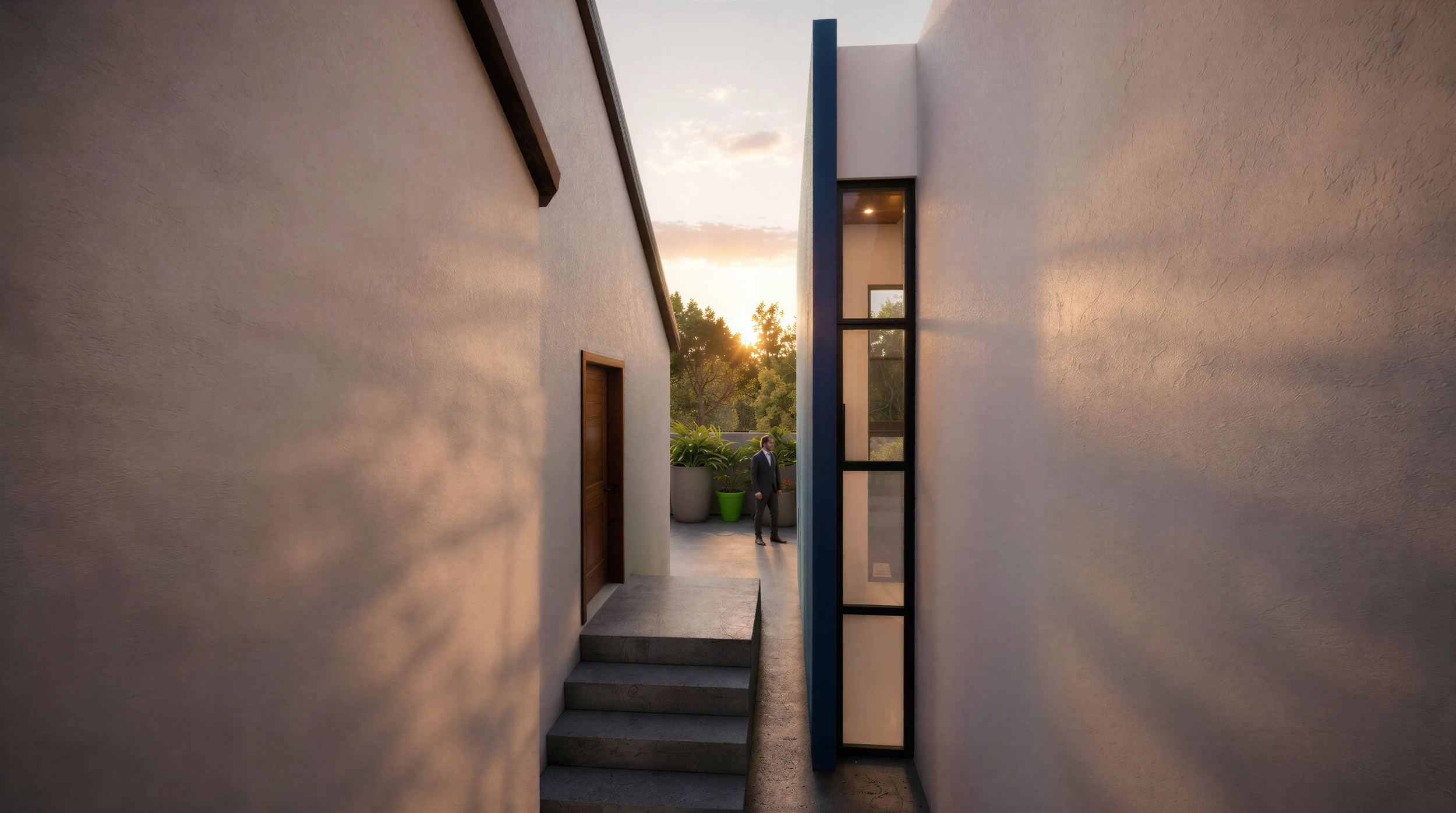
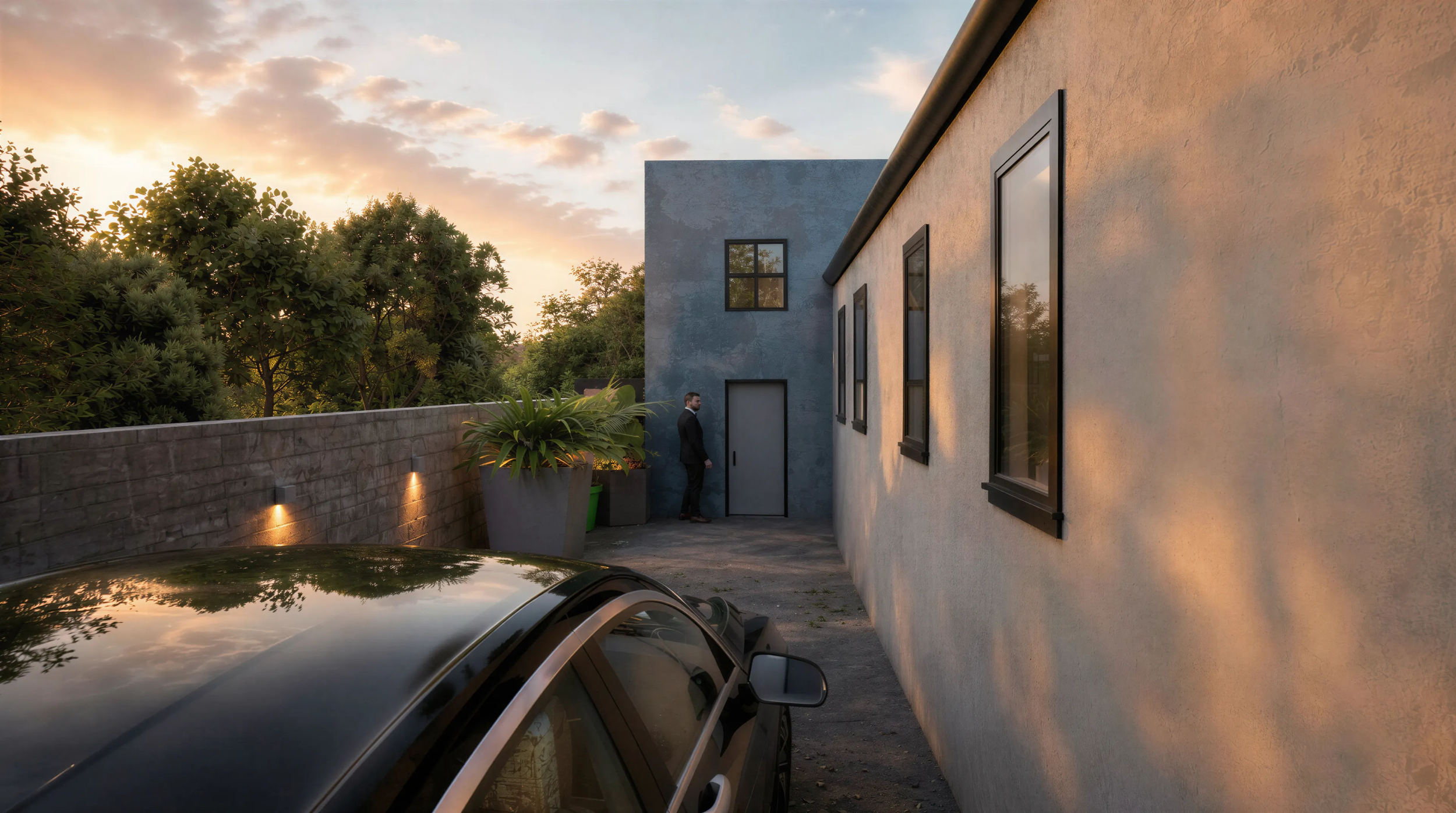
The design balances a modern architectural language with a contextual sensitivity to its surroundings. Clean lines, a restrained material palette, and carefully proportioned openings create a structure that feels contemporary while remaining grounded within the neighborhood fabric.
A defining feature of the project is the introduction of an open loft space positioned above the main living area. This vertical strategy expands usable square footage without increasing the building footprint, offering flexibility as a sleeping loft, home office, or creative workspace. The loft also enhances spatial volume, contributing to a greater sense of openness within the compact plan.